7 Best Security Steel Doors for UK Businesses in 2026
Roughly 8% of UK business premises experience burglary or an attempted burglary each year, and around three-quarters of all burglaries involve entry through a door rather than a window. For any commercial premises holding stock, cash, or equipment, that makes the entrance one of the single most important things to get right. This guide looks at the best security steel doors for UK businesses in 2026, what actually makes a steel door secure, and how to choose the right specification for your premises.
Why Security Steel Doors Matter More Than Ever for UK Businesses
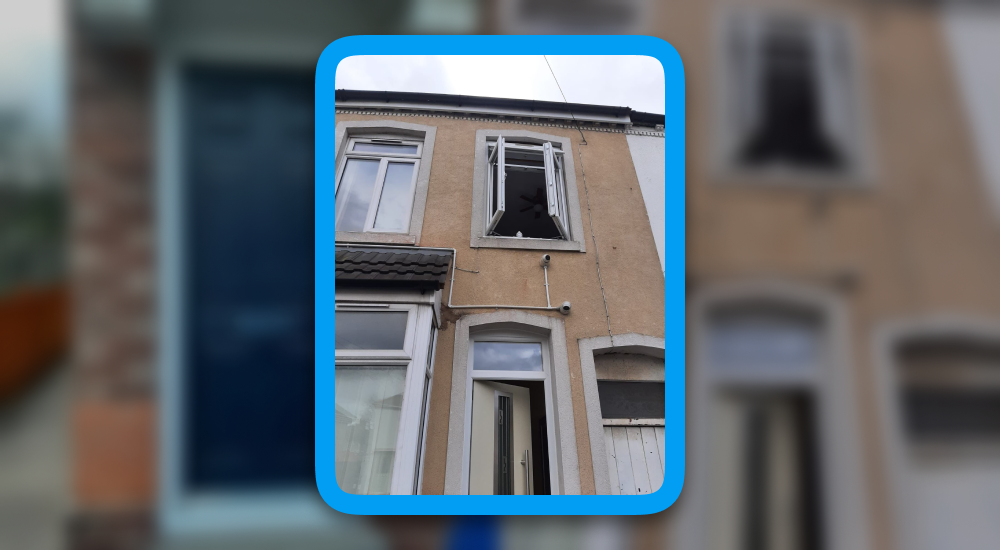
Break-ins are rarely as dramatic as films suggest. Most burglars are opportunists looking for the weakest access point, and a standard timber or composite door is frequently that weak point. Steel doors are built specifically to close that gap, resisting the kind of sustained, forced entry that a standard door simply isn’t designed to withstand.
It’s also worth noting that repeat targeting is common. Roughly one in three burglars return to the same premises, which means a break-in isn’t just a one-off loss; it’s often a sign that a building has been identified as an easy target. Upgrading to a certified steel door is one of the clearest ways to break that pattern.
What Makes a Steel Door Genuinely Secure?
Before comparing specific options, it’s worth understanding what separates a genuinely secure steel door from one that simply looks tough. The strength of the door panel is only part of the story.
Look for recognised certification.
The most reliable indicator of real-world performance is independent certification, not marketing language. Key standards to look for include:
- PAS 24, the UK standard most commonly required for commercial doorsets and increasingly specified under Building Regulations for new and replacement doors.
- LPS 1175, a rating system tested against sustained attack using tools like crowbars, drills, and angle grinders, with higher tiers (SR3, SR4) representing stronger commercial-grade resistance.
- BS EN 1627, a European standard rating resistance to burglary attempts, often referenced alongside LPS 1175 for higher-security commercial applications.
Check the Frame, Not Just the Door
A strong steel door fitted into a weak frame offers very little real protection. The frame needs to be anchored into the structural opening with heavy-gauge fixings, not lightweight plastic plugs, and ideally welded to create a single, monolithic unit that resists separation under attack.
Don’t Overlook the Hinges
Standard hinges can be attacked by lifting a door off its pins from the hinge side. Look for dog-bolt hinges or concealed anti-lift pins, which engage interlocking studs in the frame and prevent removal even if the visible hinge is damaged or destroyed.
Confirm the Locking Specification
A steel door is only as secure as its lock. Multi-point locking systems and cylinders certified to TS007 3-star or Sold Secure Diamond significantly outperform a standard single-point lock, which remains vulnerable to snapping, picking, and drilling attacks.
The 7 Best Security Steel Doors for UK Businesses in 2026
1. Standard-Duty Single Steel Doors
Best suited to lower-risk internal access points, staff entrances, or premises in areas with limited crime exposure. These offer a genuine step up from timber or composite doors at a more accessible price point than heavy-duty alternatives.
2. Heavy-Duty Single Steel Doors
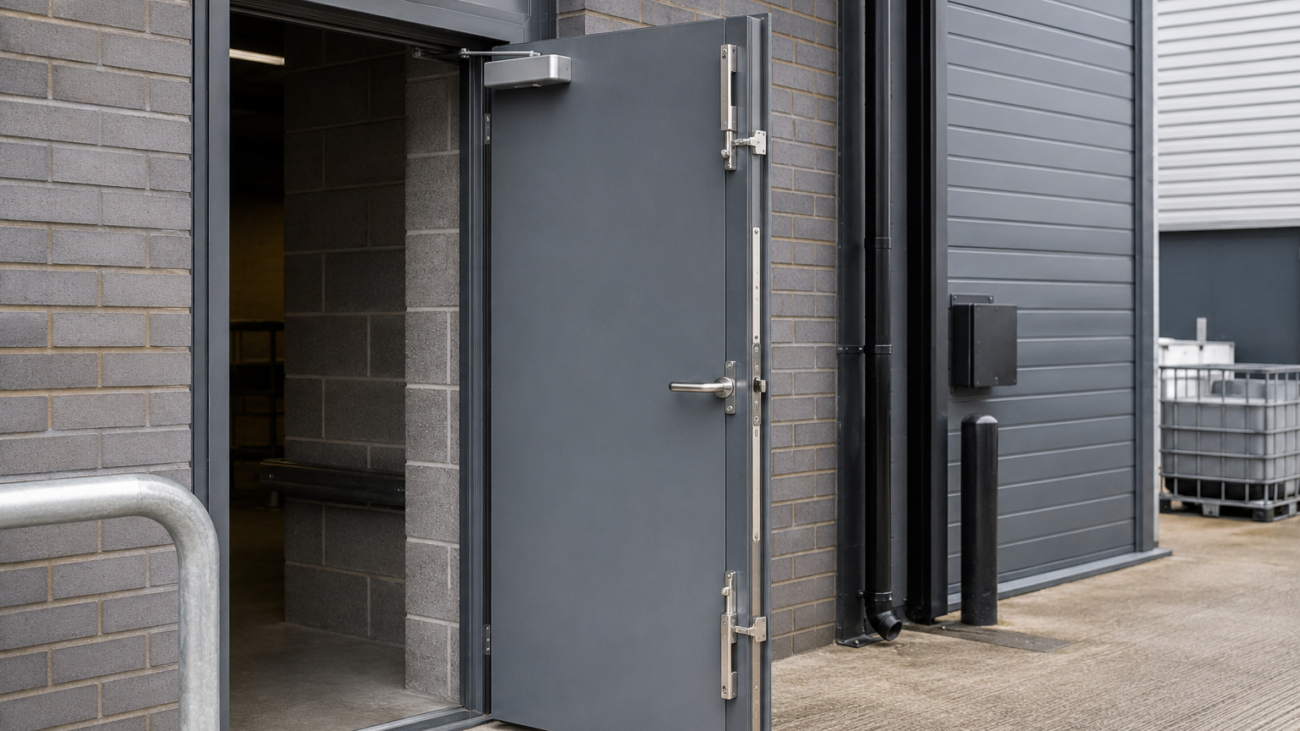
The go-to choice for stockrooms, back-of-house entrances, and premises holding higher-value stock or equipment. Heavy-duty steel doors are built to resist sustained, tool-based attacks and suit premises identified as higher risk or located in known crime hotspots.
3. Heavy-Duty Double Steel Doors
Ideal for wider access points such as delivery entrances, warehouse doors, or loading bays where a single door isn’t practical. Double configurations maintain the same security specification across a wider opening, which matters for larger commercial units.
4. LPS 1175 SR3-Rated Steel Doors
Currently one of the highest security ratings routinely specified outside ultra-high-risk applications, LPS 1175 SR3 subjects the full doorset to sustained attack testing rather than just the panel. This tier suits premises with a documented elevated risk profile or high-value contents.
5. LPS 1175 SR4 Commercial-Grade Steel Doors
A step above SR3, this commercial-grade tier is designed for premises facing a genuinely elevated threat level, such as sites storing high-value goods, cash, or sensitive equipment. It represents one of the strongest routinely available specifications for UK commercial premises.
6. PAS 24 Certified Steel Entrance Doors
A strong, widely specified baseline for commercial entrances, PAS 24-certified steel doors balance robust security testing with everyday practicality and are increasingly expected under current building regulations for replacement doors.
7. Temporary Steel Security Doors
Purpose-built for situations where an entrance has been damaged or a permanent repair is delayed, temporary steel doors provide an immediate, robust barrier while a full replacement or repair is arranged, an option many businesses overlook until they urgently need one.
Comparing Security Steel Door Options
| Option | Best For | Typical Certification |
|---|---|---|
| Standard-duty single | Internal access, lower-risk sites | PAS 24 |
| Heavy-duty single | Stockrooms, back-of-house entrances | LPS 1175 SR2 to SR3 |
| Heavy-duty double | Delivery and loading bay entrances | LPS 1175 SR2 to SR3 |
| LPS 1175 SR3 | High-value content, elevated-risk sites | LPS 1175 SR3 |
| LPS 1175 SR4 | Cash, high-value stock, sensitive equipment | LPS 1175 SR4 |
| PAS 24 entrance | Main commercial entrances | PAS 24 |
| Temporary steel door | Emergency cover after a break-in or damage | Varies by supplier |
How to Choose the Right Security Steel Door for Your Business
- Assess your actual risk level. A stockroom holding high-value electronics needs a different specification to an internal staff door, so match the certification tier to what’s genuinely at stake behind it.
- Don’t separate the door from the frame. Always specify the frame and hinge system alongside the door itself, since a strong panel in a weak frame undermines the whole installation.
- Match the lock to the door. A high-specification steel door paired with a basic Euro cylinder is a compromised installation. Insist on TS007 3-star or Sold Secure Diamond-rated cylinders.
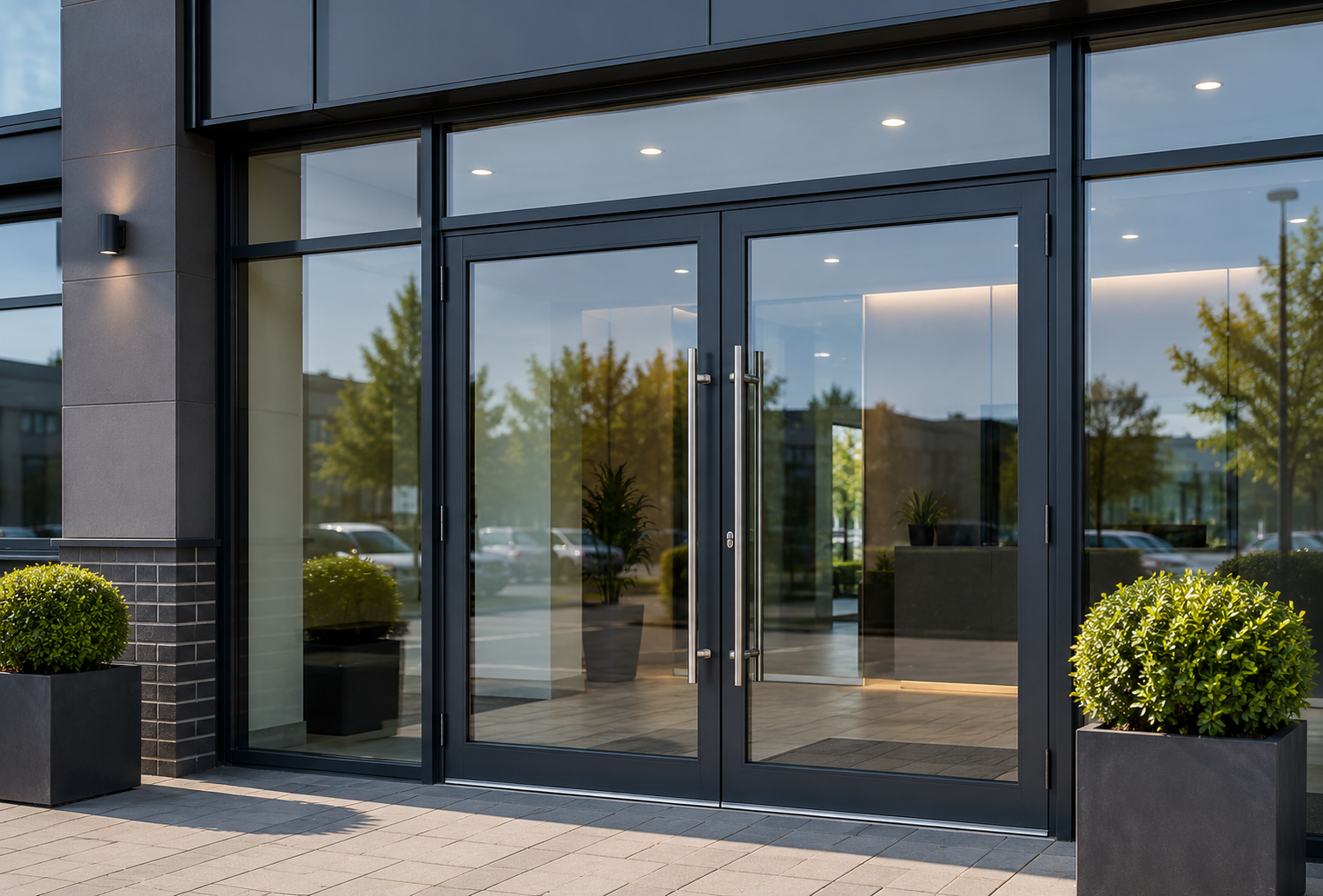
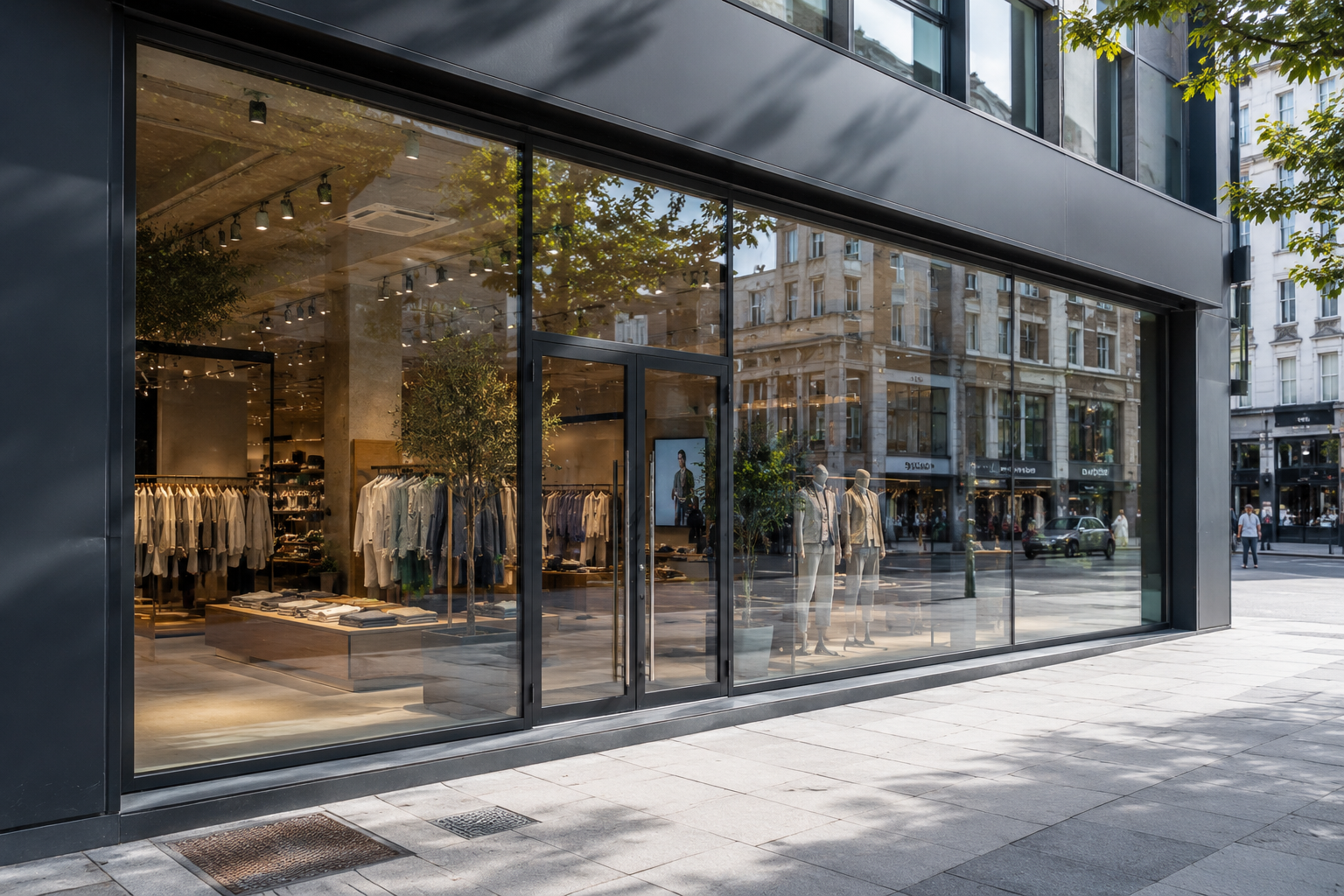
- Consider finish, not just function. Steel doors are available in a range of finishes and colours, so a secure entrance doesn’t have to look industrial or out of place on a customer-facing frontage.
- Plan for the worst case. If your business has been targeted before, a temporary steel door can provide immediate cover while a permanent, higher-specification replacement is arranged.
A Practical Example
A retail unit in the Wolverhampton area experienced a break-in through its rear stockroom door, an ageing timber door with a single-point lock. Following the incident, the business installed a heavy-duty LPS 1175 SR3 steel door with dog-bolt hinges and a TS007 3-star-rated multi-point lock. Beyond closing the immediate vulnerability, the upgrade removed the business from the pattern of repeat targeting that affects roughly a third of previously burgled premises, while the front-of-house entrance was separately upgraded to a PAS 24 certified steel door finished to match the shop’s branding, proving security and presentation don’t have to be a trade-off.
Frequently Asked Questions
What’s the difference between PAS 24 and LPS 1175 for security steel doors? PAS 24 is a widely used UK standard for doorset security, often required under Building Regulations. LPS 1175 is a more rigorous, tiered rating system tested against sustained physical attack, with higher tiers like SR3 and SR4 offering stronger protection for higher-risk commercial premises.
Are security steel doors more expensive than composite doors? Generally yes, particularly at higher certification tiers, but the cost needs to be weighed against the value of what’s behind the door and the real financial impact of a break-in, including stock loss, downtime, and repeat targeting risk.
Can security steel doors look presentable on a customer-facing entrance? Yes. Steel doors are available in a wide range of finishes and colours, so a PAS 24-certified entrance can match a business’s branding without looking industrial.
Final Thoughts
Choosing the right security steel doors comes down to matching certification and specification to actual risk, not just picking the toughest-looking option available. From standard-duty internal doors to LPS 1175 SR4 commercial-grade entrances, the right choice depends on what’s behind the door and how exposed your premises genuinely is.
Design Glaze supplies and installs security steel doors for commercial clients across Wolverhampton and neighbouring cities, with over 5 years of experience matching door specifications to real business risk. Get in touch for a site assessment and a no-obligation quote.