
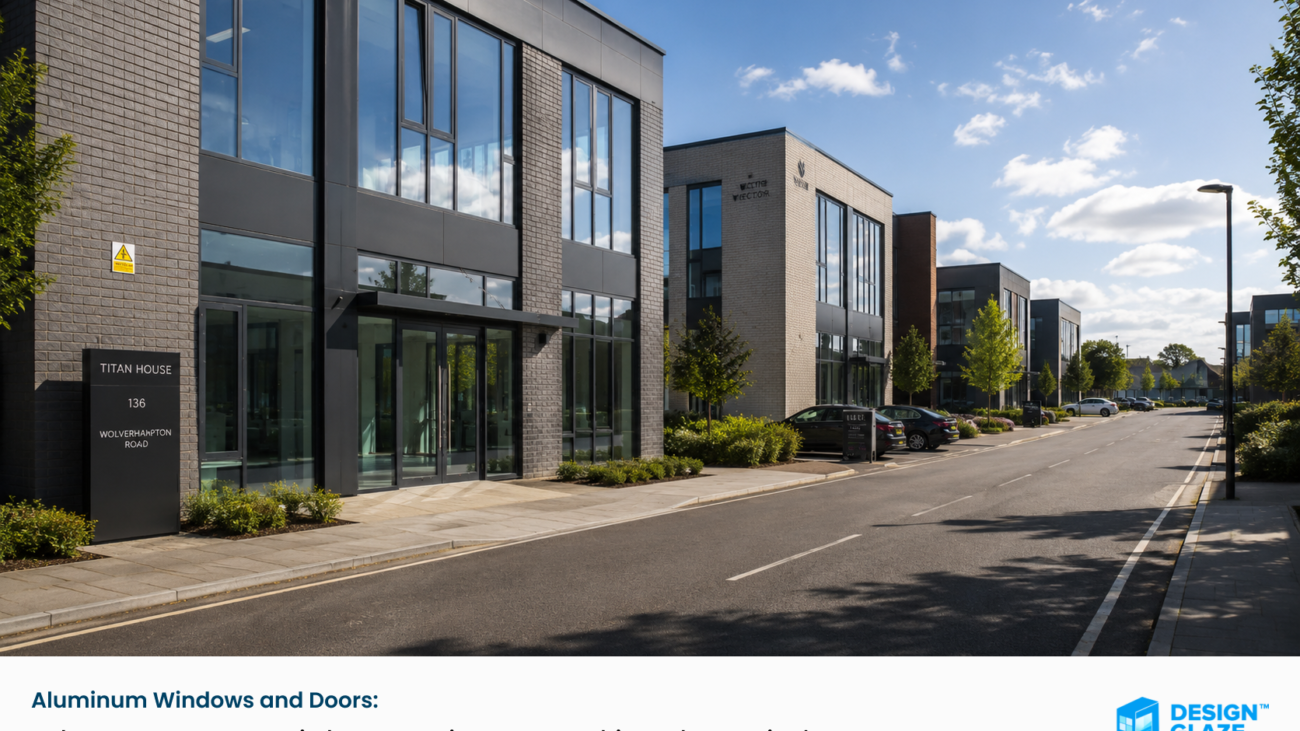
Aluminium Windows and Doors: Why UK Commercial Properties Are Making the Switch
Across the UK, the commercial segment is now the fastest-growing part of the aluminium glazing market, and it isn’t hard to see why. Aluminium windows and doors are increasingly the default choice for office refurbishments, retail units, and new-build commercial developments, replacing uPVC and timber in projects where strength, design flexibility, and a modern appearance all matter at once.
This guide looks at why so many UK businesses are switching to aluminium, what it actually costs compared with the alternatives, and where it makes the most sense for a commercial property.
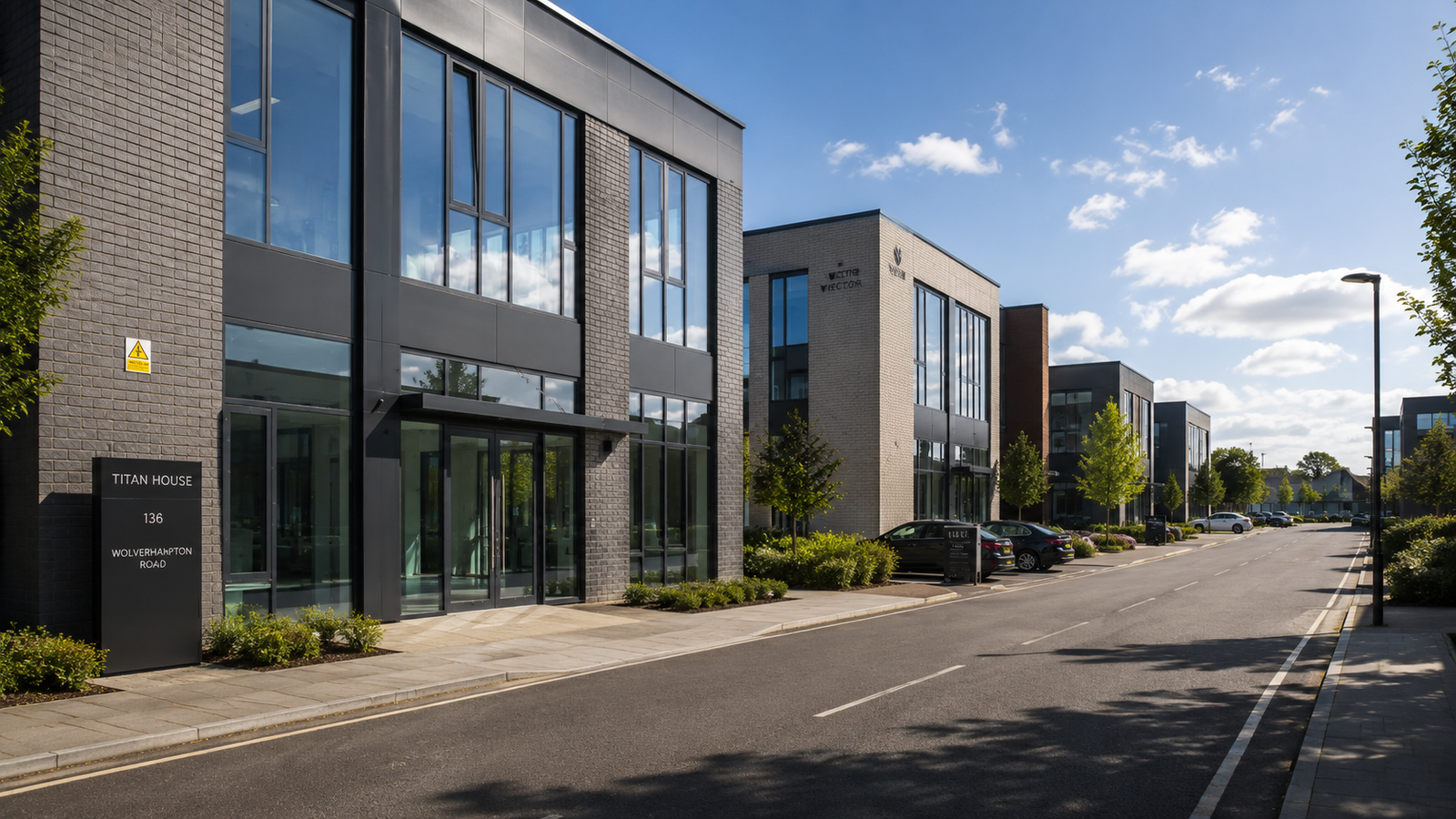
The Shift Toward Aluminium Windows and Doors in the UK
The UK aluminium doors and windows market is forecast to grow steadily through to 2035, with volume expected to rise by around 2.7% a year and overall market value by roughly 5.1% annually. Globally, the commercial segment is growing faster than residential, driven largely by a stronger focus on sustainability, energy efficiency regulation, and demand for slimmer, more contemporary sightlines in office and retail design.
For commercial property owners specifically, aluminium’s core appeal comes down to a combination most other materials can’t quite match: real structural strength, genuine design flexibility, and a finish that still looks sharp after years of daily use.
Why Aluminium Windows and Doors Suit Commercial Properties
Structural Strength for Larger Openings
Aluminium’s strength-to-weight ratio allows for much larger glazed openings and slimmer frames than uPVC or timber can achieve without compromising structural integrity. For commercial buildings wanting expansive glazing, whether that’s a full shopfront or a floor-to-ceiling office frontage, aluminium is often the only practical option.
A Modern, Low-Maintenance Finish
Powder-coated aluminium resists corrosion, doesn’t warp, and holds its colour and finish for years without repainting, which matters for commercial landlords managing maintenance budgets across multiple units or floors.
Design Flexibility for Brand and Architecture
Aluminium systems come in a wide range of finishes, including anthracite grey, black, and bespoke RAL colours, giving architects and business owners far more scope to match a building’s aluminium windows and doors to a specific brand identity or architectural style.
Genuine Energy Efficiency Gains
Older assumptions about aluminium being a poor performer for thermal efficiency no longer hold. Thermally broken aluminium profiles, which separate the internal and external sections of the frame with an insulating barrier, now deliver energy performance that rivals uPVC, closing the gap that used to push cost-conscious commercial buyers toward plastic frames by default.
Built for High-Traffic Commercial Use
Commercial doors and windows are opened, closed, and handled far more often than domestic ones. Aluminium’s durability under repeated use, combined with its resistance to weathering, makes it a practical long-term choice for busy commercial entrances and high-footfall retail units.
Aluminium Windows and Doors vs. uPVC: What’s the Real Difference?
| Factor | Aluminium | uPVC |
|---|---|---|
| Sightlines | Slim, contemporary | Bulkier frames |
| Strength | High, suits large openings | Moderate, better for smaller units |
| Maintenance | Minimal, doesn’t warp or rust | Minimal, no repainting needed |
| Design flexibility | Wide colour and finish range | Limited colour range |
| Typical cost | Higher upfront cost | Lower upfront cost |
| Best for | Large commercial glazing, shopfronts, offices | Budget-conscious commercial projects |
Where Aluminium Windows and Doors Make the Most Sense
- Office refurbishments wanting larger glazed areas to bring more daylight into working spaces without a full structural rebuild.
- Retail shopfronts that need maximum glazing width with minimal visible framing to showcase products and draw in footfall.
- Multi-unit commercial developments where a consistent, modern finish across many windows and doors matters for the building’s overall presentation.
- Hospitality venues using large aluminium-framed sliding or bifold systems to connect indoor and outdoor trading space.
What to Consider Before Switching to Aluminium
Budget for the Higher Upfront Cost
Aluminium generally costs more upfront than uPVC, though the gap has narrowed as thermally broken systems have become more widely available. For most commercial projects, the difference is best weighed against aluminium’s longer lifespan and lower long-term maintenance needs rather than compared on price alone.
Confirm Thermal Performance Specification
Not all aluminium systems are equal. Ask specifically whether the profile is thermally broken, and confirm the U-value against current building regulations requirements before finalising a specification.
Plan for Structural Considerations
Larger aluminium openings sometimes require additional structural support, particularly when replacing smaller existing windows with expanded glazing. A proper site survey avoids budget surprises once work is underway.
Choose an Experienced Commercial Installer
Aluminium systems, particularly large-format or bespoke commercial installations, benefit from an installer experienced in commercial-scale projects, since sequencing, access, and minimal disruption to trading businesses all matter more than on a standard domestic job.
A Practical Example
A retail unit in the Wolverhampton area replacing a dated, heavily framed shopfront with a slimline aluminium system in anthracite grey saw an immediate change in how the space presented to passing footfall. The wider glazed area let more daylight reach product displays near the front of the store, the narrower sightlines gave the frontage a noticeably more contemporary look, and the thermally broken profile kept heating costs in check despite the larger glazed area, something the previous uPVC shopfront couldn’t match at that scale.
Frequently Asked Questions
Are aluminium windows and doors more expensive than uPVC for commercial properties?
Generally yes, upfront. However, aluminium’s durability, minimal maintenance needs, and longer lifespan often make it the more cost-effective choice over the life of a commercial building.
Is aluminium as energy efficient as uPVC?
Modern thermally broken aluminium profiles can match uPVC’s thermal performance, closing a gap that used to be a genuine drawback of the material.
What colour options are available for commercial aluminium systems?
A wide range, including anthracite grey, black, and bespoke RAL colours, giving architects and business owners far more flexibility to match a building’s branding or design than uPVC typically allows.
Final Thoughts
The switch to aluminium windows and doors reflects a genuine shift in what UK commercial properties need from their glazing: larger openings, a sharper modern finish, and performance that holds up under daily use, all without the thermal compromise the material was once known for. For businesses weighing up a refurbishment or new-build glazing package, aluminium is increasingly the material that ticks every box at once.
Designs, glazes, supplies and installs aluminium windows and doors for commercial clients across Wolverhampton and neighbouring cities, with over 5 years of experience delivering large-format glazing projects with minimal disruption to trading businesses. Get in touch for a site assessment and a no-obligation quote.