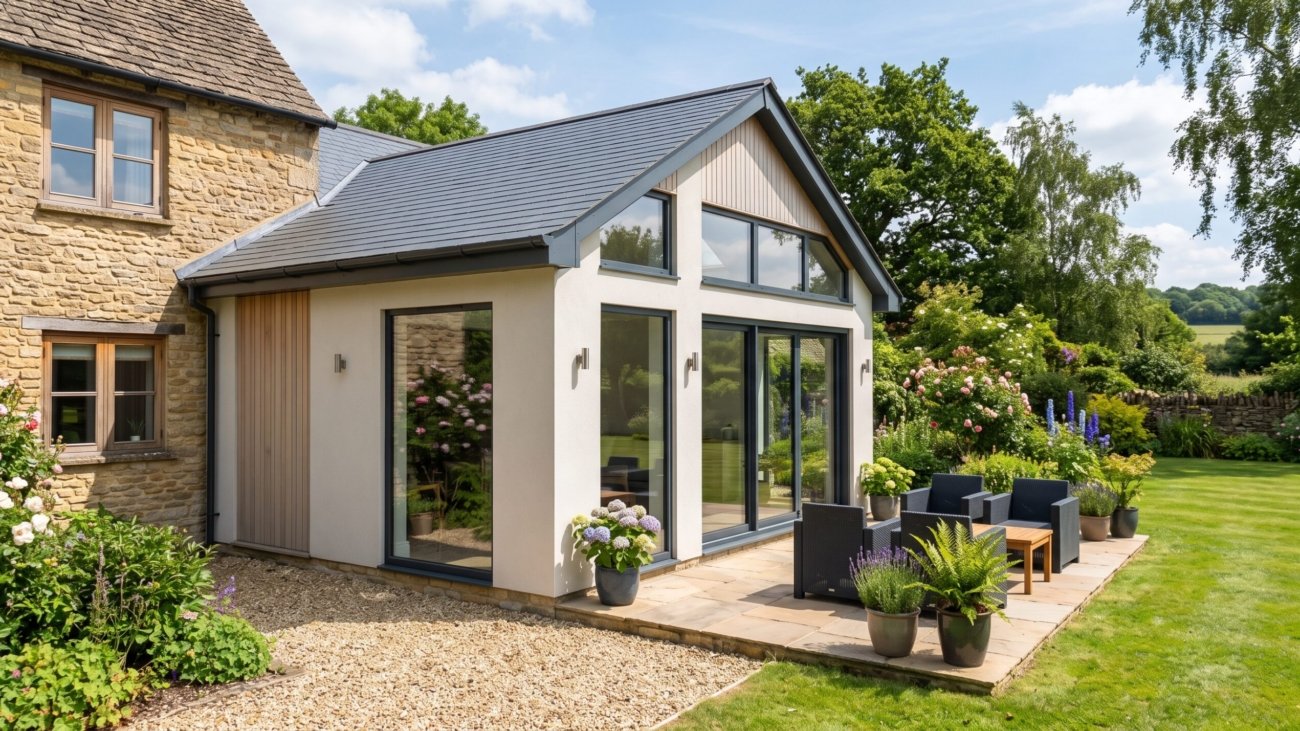
Slim anthracite grey aluminium windows on a British home extension - Aluminum Windows Near Me: Why More Homeowners Are Choosing Aluminum Over uPVC

Aluminum Windows Near Me: Why More Homeowners Are Choosing Aluminum Over uPVC

Aluminum Windows Near Me: Why More Homeowners Are Choosing Aluminum Over uPVC

If you have been searching for aluminum windows near me, you are probably already past the “should I replace my windows” stage and into comparing materials. For decades, uPVC was the default choice for most British homes, but aluminium has been steadily gaining ground, particularly for extensions, contemporary renovations, and homeowners who want the maximum amount of glass for the money spent on frame.

This guide explains why aluminium windows and doors are becoming more popular, what they cost in 2026 compared with uPVC, and how to decide which is right for your own home.
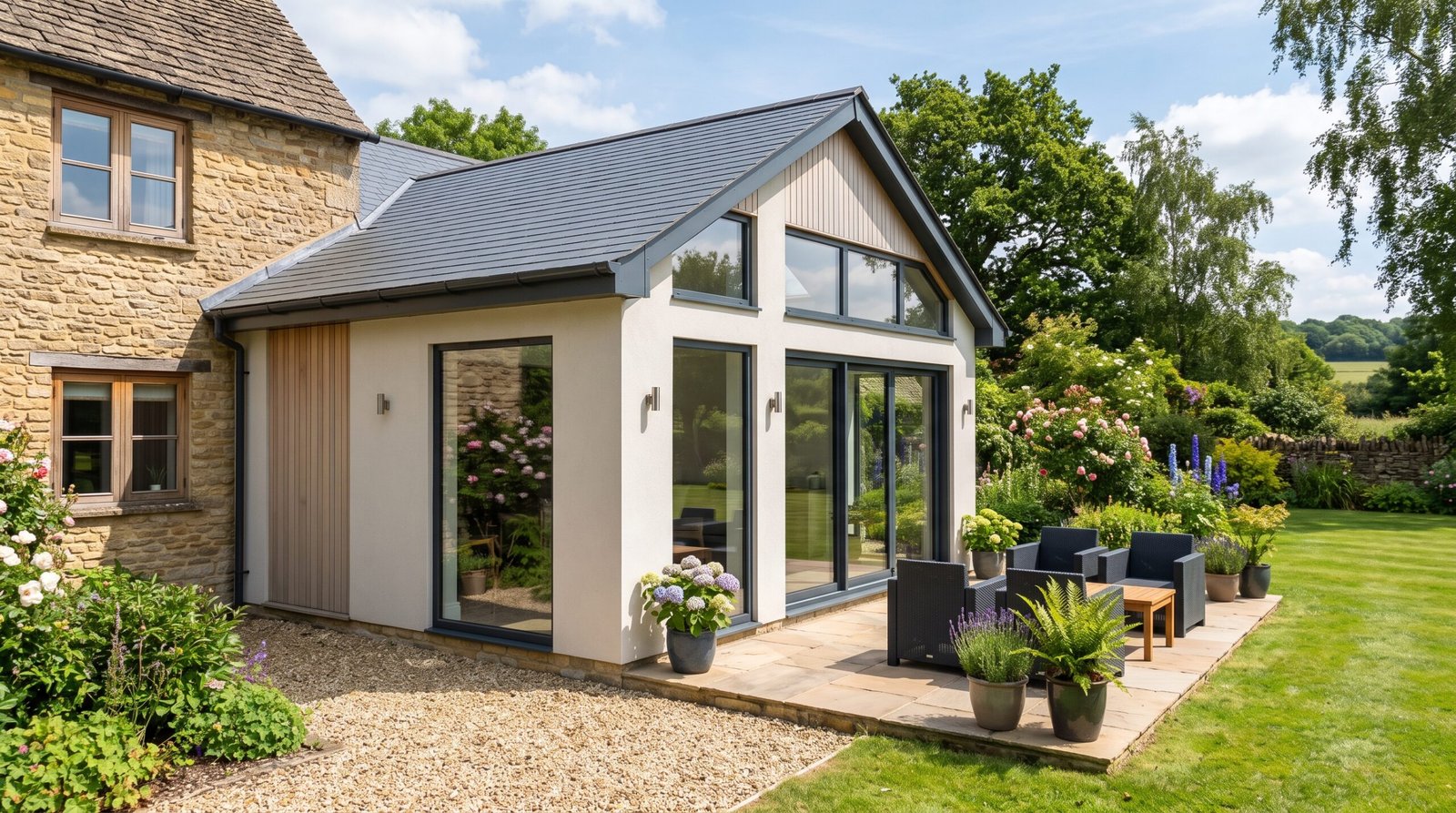
Slim anthracite grey aluminium windows on a British home extension - Aluminum Windows Near Me: Why More Homeowners Are Choosing Aluminum Over uPVC

Why Aluminium Is Gaining Ground

The biggest draw is the frame profile. Aluminium is far stronger than uPVC for its thickness, which means manufacturers can build noticeably slimmer frames while still safely holding a large pane of glass. In practical terms, that gives you up to around 15 percent more visible glass area for the same window opening, which translates directly into a brighter room and a sharper, more contemporary look.

Longevity is another factor. Aluminium windows typically last 40 to 50 years with minimal maintenance, compared with roughly 20 to 30 years for uPVC. The powder-coated finish will not peel, flake, or discolour in the way uPVC can, especially on south-facing walls that take a lot of direct sun over the years.

Where uPVC Still Wins

Cost remains the clear advantage for uPVC. It is typically 30 to 60 percent cheaper than aluminium for an equivalent window, and modern multi-chambered uPVC profiles are genuinely good at trapping heat, so you are not sacrificing much in the way of thermal performance for the lower price. For homeowners on a tighter renovation budget, uPVC still makes a great deal of sense.

Aluminum Windows and Doors: 2026 Cost Comparison

Window typeTypical cost per window (installed)Full house (8-10 windows)
uPVC casement£300 – £700£4,000 – £7,500
Aluminium casement£550 – £1,300£8,000 – £14,000

As a rule of thumb, expect aluminium to add roughly 30 to 60 percent to your total project cost compared with uPVC. Both materials can achieve similar U-values when specified with a good thermal break and double or triple glazing, so the price difference reflects the frame material and slimmer sightlines rather than a straightforward efficiency gap.

A Real-World Example: A Kitchen Extension Glow-Up

Take a family adding a single-storey rear extension to their 1970s home. They initially assumed uPVC was the obvious choice, until they saw how much frame a standard uPVC casement would take up across their new run of windows. They switched to slim-profile aluminium in anthracite grey for the extension, keeping their existing uPVC windows on the rest of the house. The result, in their words, was that the new kitchen felt like a different room entirely compared with the older part of the house, largely thanks to how much glass the aluminium frames allowed for the same opening size.

Tips for Choosing Between Aluminium and uPVC

  • If budget is your main constraint, uPVC delivers strong thermal performance at a lower price.
  • If you want the largest possible glass area and a slim, modern look, aluminium is worth the premium.
  • For extensions and large openings, aluminium’s strength allows for bigger panes without extra support bars.
  • Ask any installer offering “aluminum windows near me” services for evidence of FENSA or CERTASS registration.
  • Always confirm the thermal break specification on aluminium frames, this is what prevents cold transfer through the metal.
  • Get quotes for both materials on the same job before deciding, the price gap is sometimes smaller than expected for smaller projects.

Maintenance and Long-Term Value

Aluminium’s low-maintenance reputation is one of its most underrated benefits. Because the powder-coated finish is baked on rather than painted, it resists fading and scratching for decades, and a simple wipe with warm soapy water once or twice a year is usually all that is needed to keep frames looking sharp. uPVC is also low maintenance day to day, but over fifteen or twenty years it is more likely to need attention, particularly around hinges, seals, and any white surfaces exposed to strong sunlight.

When you factor in the longer lifespan of aluminium, some homeowners find the higher upfront cost balances out over time, especially if you plan to stay in your home for two decades or more. For a shorter-term move, uPVC’s lower initial outlay is usually the more sensible choice financially.

Frequently Asked Questions

Are aluminium windows worth the extra cost over uPVC?

For homeowners who want maximum natural light, a modern slim-frame look, and a longer lifespan of 40 to 50 years, most find the 30 to 60 percent premium worthwhile, though uPVC remains excellent value for tighter budgets.

Do aluminium windows perform as well thermally as uPVC?

Yes, when fitted with a proper polyamide thermal break, aluminium windows can achieve U-values comparable to uPVC, so modern aluminium is not the cold, draughty option it was decades ago.

How do I find reliable aluminum windows and doors installers near me?

Look for FENSA or CERTASS registered local installers, ask for evidence of previous aluminium installations specifically, and always get at least three comparable quotes before committing.

Final Thoughts

Choosing between aluminium and uPVC ultimately comes down to budget versus the extras aluminium brings in glass area, longevity, and finish. Neither is objectively “better”, they simply suit different homes and different priorities.

Design Glaze supplies and installs both aluminium and uPVC windows and doors for homeowners across Wolverhampton and the neighbouring cities, with over five years of experience helping people choose the right fit for their home and budget. Get in touch for a no-obligation site assessment and quote.
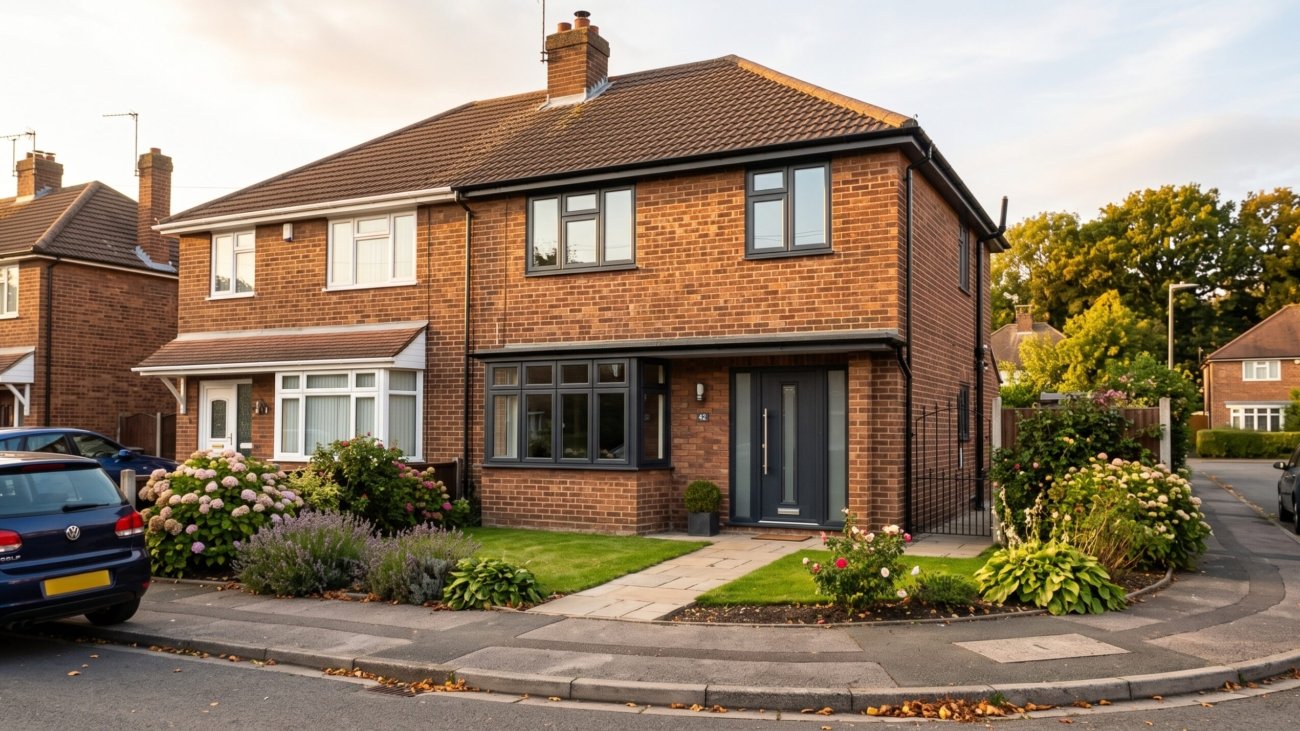
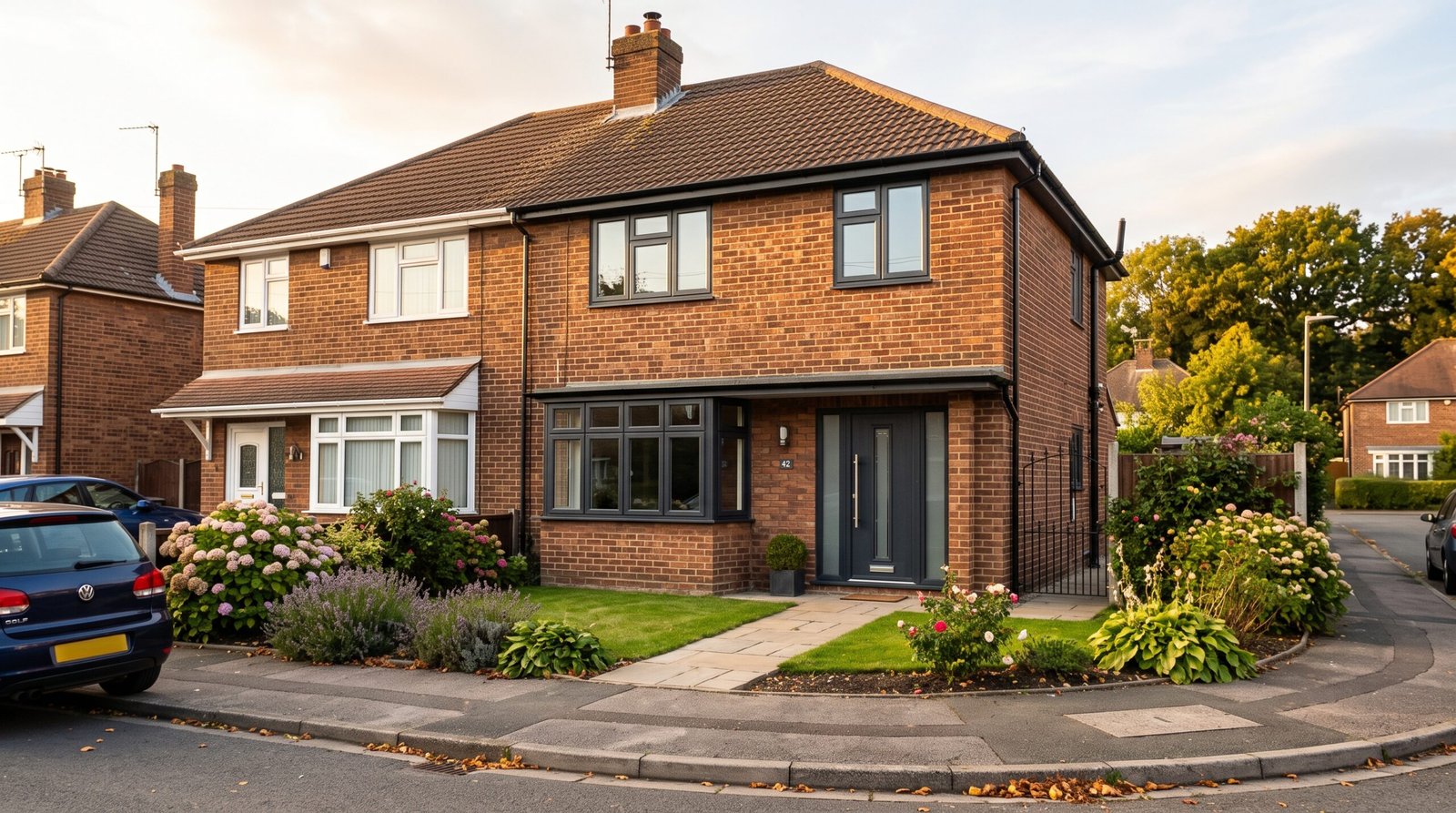
Semi-detached UK home with new anthracite grey UPVC windows fitted

UPVC Windows UK: 7 Proven Tips to Avoid Costly Style and Colour Mistakes

UPVC Windows UK: 7 Proven Tips to Avoid Costly Style and Colour Mistakes

Choosing new UPVC windows UK homeowners can rely on for years to come isn’t just about picking a colour you like from a brochure. Get the style or shade wrong and you could be looking at a home that feels colder, costs more to heat, or simply doesn’t suit the property once the scaffolding comes down. With window replacement being one of the biggest home improvement investments most people make, it pays to slow down and get it right the first time.

This guide walks you through the main styles, the colour trends worth knowing about in 2026, and realistic costs, so you can make a confident, well informed decision for your home.

Semi-detached UK home with new anthracite grey UPVC windows fitted

Why Getting Your UPVC Windows UK Choice Right Matters

Windows affect more than kerb appeal. They influence how warm your rooms feel in winter, how much noise gets in from the street, how secure your home is, and even how much it’s worth if you come to sell.

Modern UPVC casement windows can achieve U-values as low as 1.2 W/m²K with standard double glazing, dropping to around 0.8 W/m²K with a triple glazing upgrade. In practical terms, that means a well specified UPVC window keeps a lot more heat inside your home than an older, single-glazed or draughty frame, which matters when energy bills are still front of mind for most UK households.

Popular UPVC Window Styles for UK Homes

Casement Windows

The casement is the most common style in the UK, and for good reason. It’s the simplest to manufacture and install, which keeps the price down, and it suits almost any property type, from a 1930s semi to a modern new build.

Tilt and Turn Windows

Tilt and turn windows open inwards on a hinge, which makes them easy to clean from inside and popular for upstairs rooms or homes near a busy road where security matters. They typically cost around 25% more than a standard casement.

Sash Windows

For period and Victorian properties, UPVC sash windows replicate the traditional sliding sash look while adding modern insulation and security. They tend to cost roughly 50% more than casement windows because of the more complex spring-balance mechanism inside the frame.

Bay and Bow Windows

Bay and bow windows are made up of three or more individual sections joined together, often requiring extra structural support. They add a lot of light and a real sense of space to a room, but the more involved installation means a higher price tag.

Choosing a Colour: What’s Trending for UPVC Windows UK Homeowners in 2026

For over a decade, anthracite grey has been the default choice for homeowners wanting a modern look, and it remains hugely popular in 2026 for good reason: it pairs well with both red brick and white render, and it hides weathering better than lighter shades.

That said, a few clear trends are shaping choices this year:

  • Softer greys, such as agate grey and pebble grey, are growing in popularity as a lighter, less severe alternative to anthracite, and they absorb less heat, which can reduce thermal expansion on south-facing frames.
  • Sage green and Chartwell green are popular for cottages, conservation areas and countryside homes, giving a heritage feel without sacrificing performance.
  • Black frames are having a moment, offering a bold, contemporary look that works particularly well on barn conversions and period homes being modernised.
  • Woodgrain foils remain a strong choice for anyone who loves the character of timber windows but wants the low maintenance of UPVC.
  • Dual-colour frames (a different shade inside and outside) are increasingly common, especially in period properties where homeowners want a traditional white interior with a bolder exterior finish.

As a general rule, lighter colours suit traditional stone or brick cottages, while anthracite, black and bronze tones suit contemporary new builds and rendered exteriors. If you’re unsure, a reputable local installer can bring sample sections round so you can see how a colour actually looks against your own brickwork in daylight, rather than under showroom lighting.

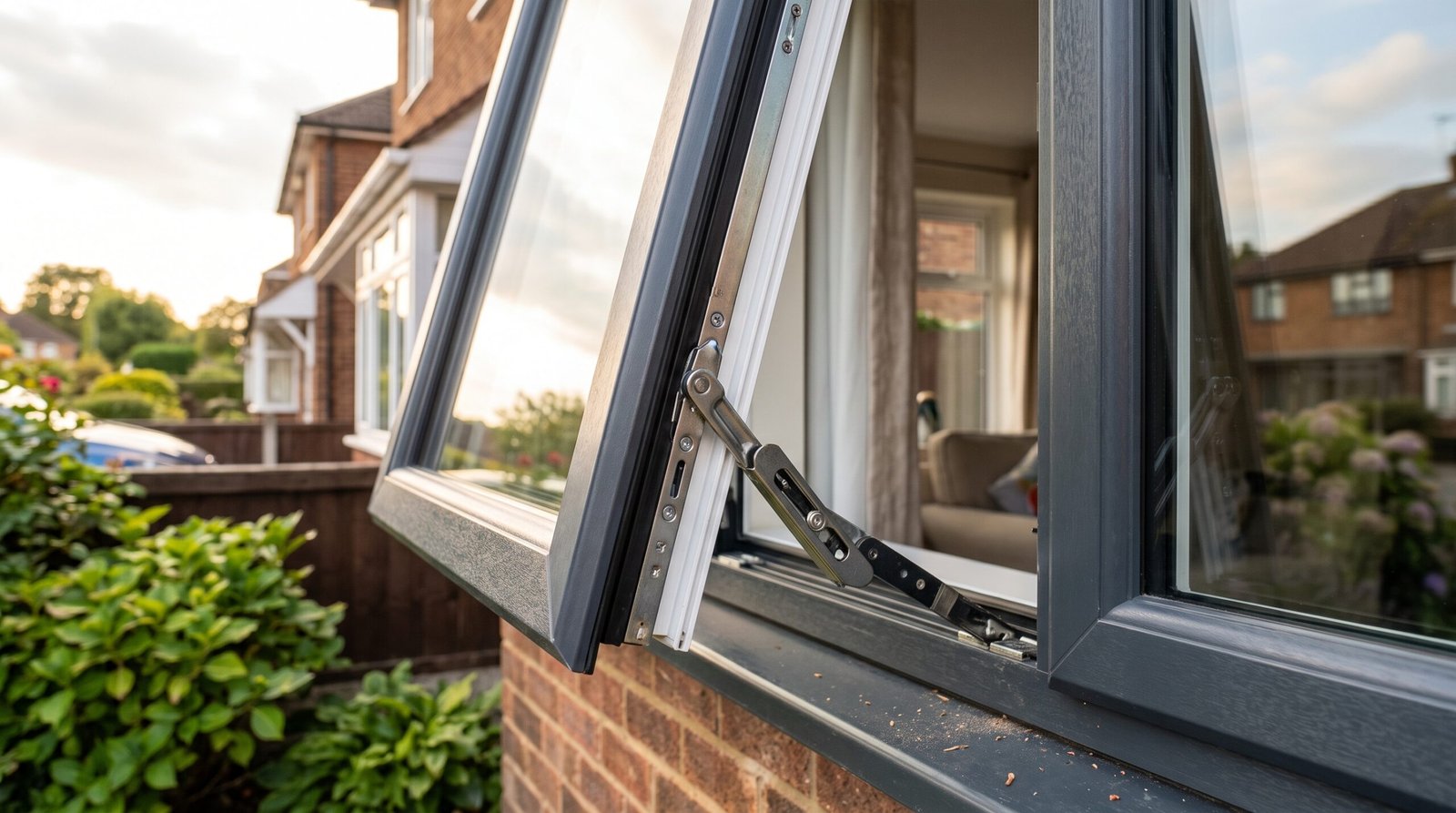
Close-up of a UPVC tilt and turn window opening on a family home

UPVC Windows UK Cost Guide (2026)

Prices vary by supplier, region and specification, but the table below gives a realistic starting point for budgeting.

Window StyleTypical Cost Per Window (Supplied & Fitted)Notes
Casement (white)£350 – £750Most affordable and most common style
Casement (coloured, e.g. anthracite)£450 – £950Coloured foils add a premium over white
Tilt and turn£490 – £900Around 25% more than standard casement
Sash£600 – £1,500Around 50% more than casement
Bay/bow (per bay)£1,500 – £3,000+Complex structure, often needs extra support

For a typical three-bedroom semi with 8 to 12 windows, most homeowners budget between £4,000 and £8,500 for a full UPVC replacement, depending on style and colour choices. It’s always worth getting at least three itemised quotes, and checking that your installer is FENSA or Certass registered so the work meets current building regulations.

A Real-Life Scenario: The Patel Family in Wolverhampton

Picture a young family in a 1950s semi-detached house just outside Wolverhampton. Their original white casement windows had started to discolour and let in draughts, and they wanted something that would smarten up the front of the house without looking out of place next to their neighbours’ more traditional white frames.

After comparing options, they chose UPVC casement windows in agate grey for the front elevation, with a simple white finish for the rear where it wasn’t visible from the street. The result was a noticeably warmer home through winter, a fresher look from the pavement, and a colour choice that felt current without dating quickly.

Practical Tips for Choosing Your UPVC Windows

  • View colour samples in natural daylight against your actual brickwork or render, not just under indoor showroom lighting.
  • Check the U-value of any window you’re quoted, since a lower number means better insulation.
  • Ask whether the colour is a through-coloured foil (more durable, typically resistant to fading for 15 to 25 years) rather than a painted finish.
  • Match your window colour to your front door and roofline for a coherent, considered look rather than a mismatched patchwork.
  • Get a minimum of three quotes and confirm each installer is FENSA or Certass registered.
  • Ask about guarantees; a reputable installer should offer at least 10 years on the frames and hardware.
  • If you’re in a conservation area, check with your local council before committing to a colour or style, as some finishes may need approval.

Frequently Asked Questions

What is the most popular colour for UPVC windows UK-wide right now? Anthracite grey remains the most requested finish overall, though softer greys like agate and pebble grey, along with sage green, are gaining ground as homeowners look for a slightly warmer alternative.

Are coloured UPVC windows less energy efficient than white ones? No. Coloured UPVC windows offer the same energy efficiency and security as standard white frames; the colour is a surface foil and doesn’t affect the window’s thermal performance.

How long do UPVC windows typically last? Well-maintained UPVC windows generally last 20 to 25 years, with minimal upkeep beyond occasional seal checks and cleaning.

Final Thoughts

The right style and colour of UPVC windows can genuinely transform how your home looks and feels, but it’s worth taking the time to compare options against your budget, your property’s character, and how you actually live day to day.

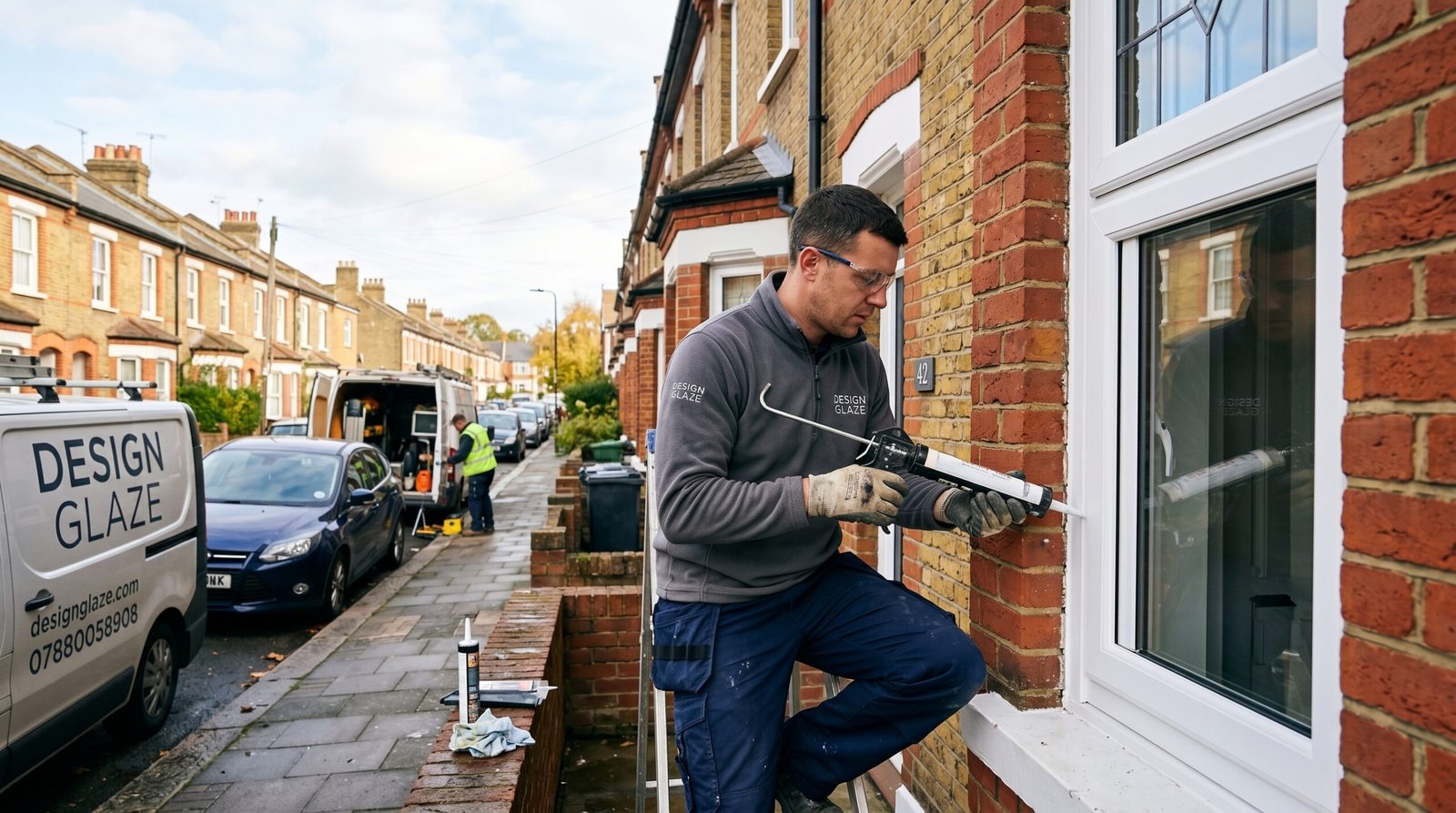
Installer fitting UPVC windows on a UK residential street

At Design Glaze, we’ve been supplying and installing UPVC windows and doors for homeowners across Wolverhampton and the surrounding areas for over 5 years. If you’d like an honest, no-obligation quote or a free site assessment to talk through styles and colours in person, we’re happy to help you find the right fit for your home.

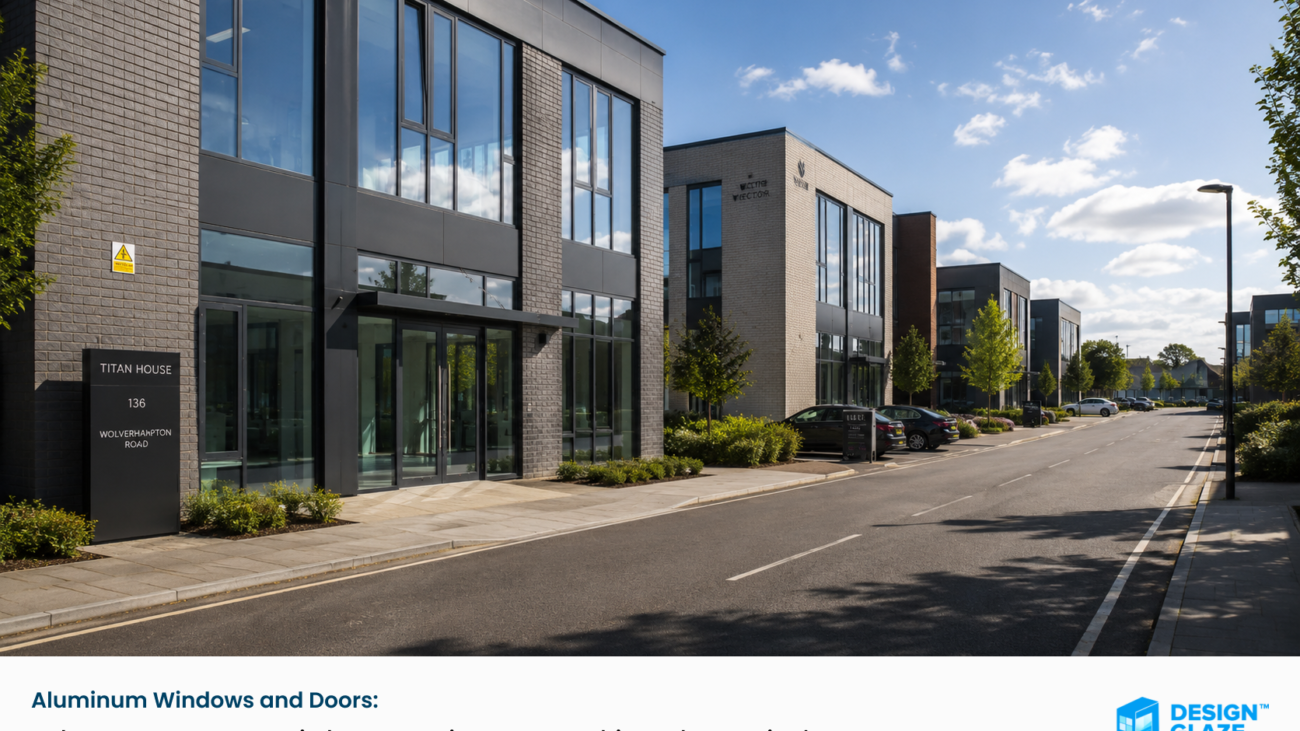
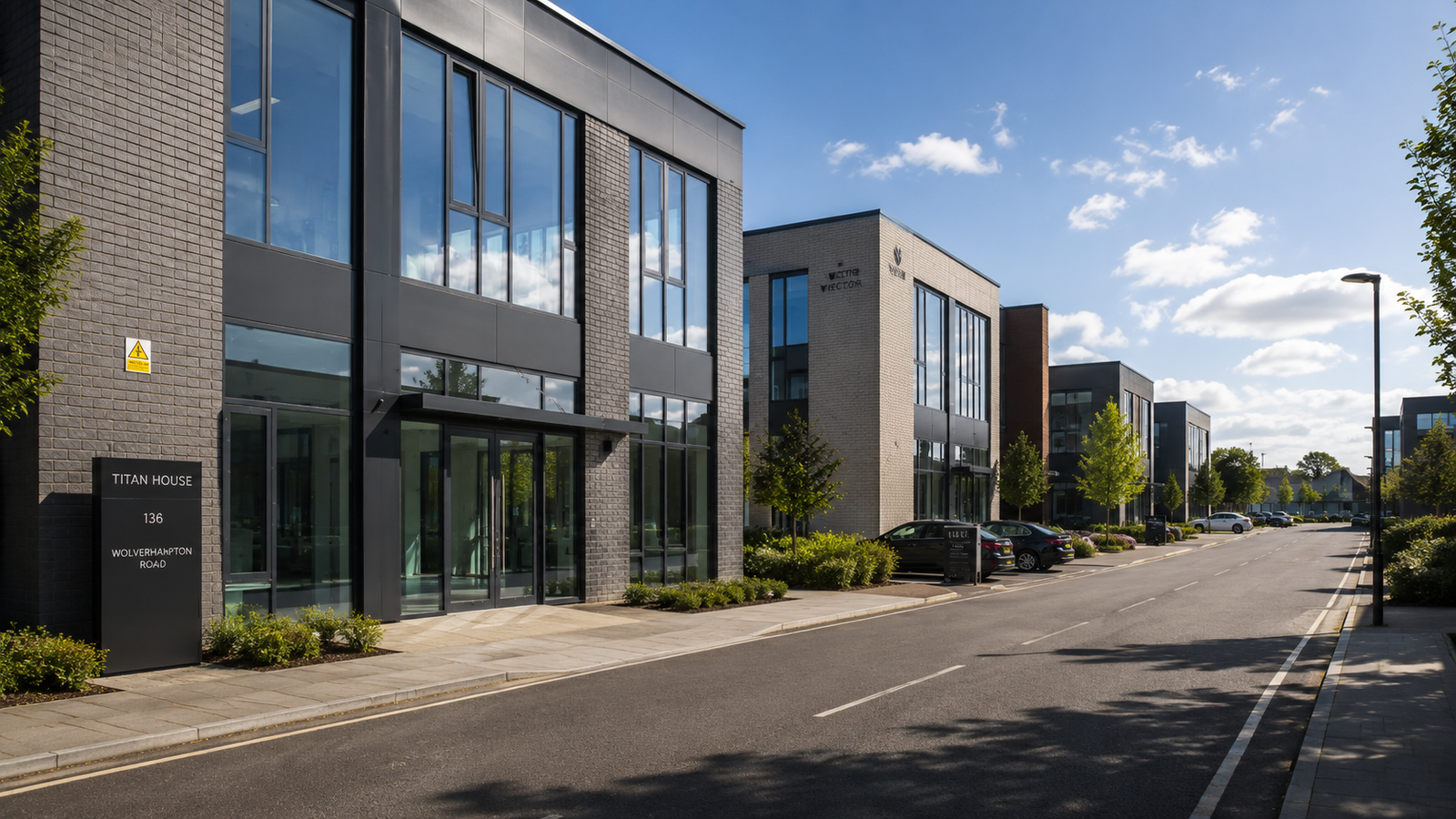
Commercial office building fitted with slimline anthracite grey aluminium windows and doors

Aluminum Windows and Doors: Why UK Commercial Properties Are Making the Switch

Aluminium Windows and Doors: Why UK Commercial Properties Are Making the Switch

Across the UK, the commercial segment is now the fastest-growing part of the aluminium glazing market, and it isn’t hard to see why. Aluminium windows and doors are increasingly the default choice for office refurbishments, retail units, and new-build commercial developments, replacing uPVC and timber in projects where strength, design flexibility, and a modern appearance all matter at once.

This guide looks at why so many UK businesses are switching to aluminium, what it actually costs compared with the alternatives, and where it makes the most sense for a commercial property.

Commercial office building fitted with slimline anthracite grey aluminium windows and doors

The Shift Toward Aluminium Windows and Doors in the UK

The UK aluminium doors and windows market is forecast to grow steadily through to 2035, with volume expected to rise by around 2.7% a year and overall market value by roughly 5.1% annually. Globally, the commercial segment is growing faster than residential, driven largely by a stronger focus on sustainability, energy efficiency regulation, and demand for slimmer, more contemporary sightlines in office and retail design.

For commercial property owners specifically, aluminium’s core appeal comes down to a combination most other materials can’t quite match: real structural strength, genuine design flexibility, and a finish that still looks sharp after years of daily use.

Why Aluminium Windows and Doors Suit Commercial Properties

Structural Strength for Larger Openings

Aluminium’s strength-to-weight ratio allows for much larger glazed openings and slimmer frames than uPVC or timber can achieve without compromising structural integrity. For commercial buildings wanting expansive glazing, whether that’s a full shopfront or a floor-to-ceiling office frontage, aluminium is often the only practical option.

A Modern, Low-Maintenance Finish

Powder-coated aluminium resists corrosion, doesn’t warp, and holds its colour and finish for years without repainting, which matters for commercial landlords managing maintenance budgets across multiple units or floors.

Design Flexibility for Brand and Architecture

Aluminium systems come in a wide range of finishes, including anthracite grey, black, and bespoke RAL colours, giving architects and business owners far more scope to match a building’s aluminium windows and doors to a specific brand identity or architectural style.

Genuine Energy Efficiency Gains

Older assumptions about aluminium being a poor performer for thermal efficiency no longer hold. Thermally broken aluminium profiles, which separate the internal and external sections of the frame with an insulating barrier, now deliver energy performance that rivals uPVC, closing the gap that used to push cost-conscious commercial buyers toward plastic frames by default.

Built for High-Traffic Commercial Use

Commercial doors and windows are opened, closed, and handled far more often than domestic ones. Aluminium’s durability under repeated use, combined with its resistance to weathering, makes it a practical long-term choice for busy commercial entrances and high-footfall retail units.

Aluminium Windows and Doors vs. uPVC: What’s the Real Difference?

FactorAluminiumuPVC
SightlinesSlim, contemporaryBulkier frames
StrengthHigh, suits large openingsModerate, better for smaller units
MaintenanceMinimal, doesn’t warp or rustMinimal, no repainting needed
Design flexibilityWide colour and finish rangeLimited colour range
Typical costHigher upfront costLower upfront cost
Best forLarge commercial glazing, shopfronts, officesBudget-conscious commercial projects

Where Aluminium Windows and Doors Make the Most Sense

  • Office refurbishments wanting larger glazed areas to bring more daylight into working spaces without a full structural rebuild.
  • Retail shopfronts that need maximum glazing width with minimal visible framing to showcase products and draw in footfall.
  • Multi-unit commercial developments where a consistent, modern finish across many windows and doors matters for the building’s overall presentation.
  • Hospitality venues using large aluminium-framed sliding or bifold systems to connect indoor and outdoor trading space.

What to Consider Before Switching to Aluminium

Budget for the Higher Upfront Cost

Aluminium generally costs more upfront than uPVC, though the gap has narrowed as thermally broken systems have become more widely available. For most commercial projects, the difference is best weighed against aluminium’s longer lifespan and lower long-term maintenance needs rather than compared on price alone.

Confirm Thermal Performance Specification

Not all aluminium systems are equal. Ask specifically whether the profile is thermally broken, and confirm the U-value against current building regulations requirements before finalising a specification.

Plan for Structural Considerations

Larger aluminium openings sometimes require additional structural support, particularly when replacing smaller existing windows with expanded glazing. A proper site survey avoids budget surprises once work is underway.

Choose an Experienced Commercial Installer

Aluminium systems, particularly large-format or bespoke commercial installations, benefit from an installer experienced in commercial-scale projects, since sequencing, access, and minimal disruption to trading businesses all matter more than on a standard domestic job.

A Practical Example

A retail unit in the Wolverhampton area replacing a dated, heavily framed shopfront with a slimline aluminium system in anthracite grey saw an immediate change in how the space presented to passing footfall. The wider glazed area let more daylight reach product displays near the front of the store, the narrower sightlines gave the frontage a noticeably more contemporary look, and the thermally broken profile kept heating costs in check despite the larger glazed area, something the previous uPVC shopfront couldn’t match at that scale.

Frequently Asked Questions

Are aluminium windows and doors more expensive than uPVC for commercial properties?

Generally yes, upfront. However, aluminium’s durability, minimal maintenance needs, and longer lifespan often make it the more cost-effective choice over the life of a commercial building.

Is aluminium as energy efficient as uPVC?

Modern thermally broken aluminium profiles can match uPVC’s thermal performance, closing a gap that used to be a genuine drawback of the material.

What colour options are available for commercial aluminium systems?

A wide range, including anthracite grey, black, and bespoke RAL colours, giving architects and business owners far more flexibility to match a building’s branding or design than uPVC typically allows.

Final Thoughts

The switch to aluminium windows and doors reflects a genuine shift in what UK commercial properties need from their glazing: larger openings, a sharper modern finish, and performance that holds up under daily use, all without the thermal compromise the material was once known for. For businesses weighing up a refurbishment or new-build glazing package, aluminium is increasingly the material that ticks every box at once.

Designs, glazes, supplies and installs aluminium windows and doors for commercial clients across Wolverhampton and neighbouring cities, with over 5 years of experience delivering large-format glazing projects with minimal disruption to trading businesses. Get in touch for a site assessment and a no-obligation quote.