Modern Front Doors with Glass

Modern Front Doors with Glass: Curb Appeal Ideas for Every Home Style

Modern Front Doors with Glass: Curb Appeal Ideas for Every Home Style

Your front door is doing more work than almost any other single feature on your home’s exterior. Research into UK kerb appeal consistently finds that the vast majority of people judge a property by its exterior before they ever step inside, and a well-maintained, well-chosen front door is one of the first things that first impression rests on. Modern front doors with glass have become especially popular because they combine that kerb appeal boost with a genuine practical benefit, more natural light in your hallway.

This guide covers design ideas for different UK home styles, current 2026 pricing, and what to check before you commit.

Why Glass Front Doors Suit So Many Home Styles

A front door with a well-proportioned glass panel does two jobs at once. It gives your hallway natural light that a solid door simply cannot, and it acts as a strong visual focal point for your home’s exterior. This works whether your property is a Victorian terrace, a 1930s semi, or a new-build estate home, the trick is choosing a glazing style that suits the existing architecture rather than fighting against it.

Exterior Front Doors With Glass by Home Style

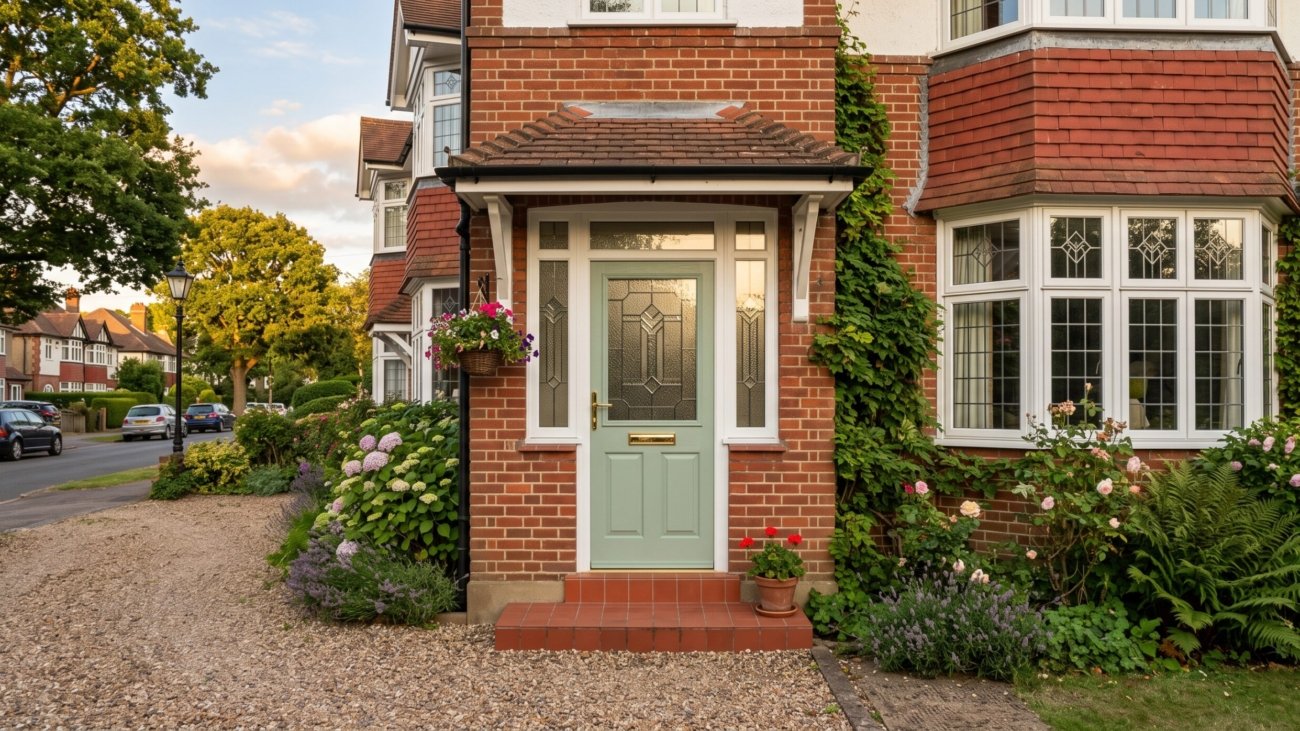
For period properties, a traditional door with decorative leaded or stained glass panels tends to sit more comfortably with the original brickwork and window styles. For 1930s and post-war semis, a half-glazed door with clean geometric glazing bars strikes a good balance between character and light. For contemporary or newly built homes, a fully glazed composite door with a single large obscured glass panel and minimal detailing gives a sleek, modern finish that suits clean-lined exteriors.

2026 Cost Guide: Modern Front Doors With Glass

Door styleTypical 2026 UK price (supplied and fitted)
uPVC door with standard glazing£700 – £1,400
uPVC door with decorative or coloured glazing£1,200 – £1,800
Composite door with glazed panel£1,200 – £2,000
Timber door with bespoke glazing (period style)£1,200 – £3,000+

Glazing choice affects price as much as the door material does. Decorative or frosted glass panels typically add £100 to £400 over a plain glazed design, while bespoke stained or leaded glass for period properties sits at the higher end of the range.

A Real-World Example: Choosing a Door for a 1930s Semi

Take a couple planning to sell their home within the next couple of years, keen to make the best first impression without overspending. Their existing front door was a plain, unglazed uPVC panel that looked noticeably dated next to their neighbours’ updated homes. They chose a half-glazed composite door in a soft sage green with a simple geometric obscured glass panel, staying true to the character of their 1930s semi while modernising the finish. At around £1,450 installed, they described it as one of the most visible, cost-effective changes they made to the property, and their estate agent specifically mentioned it in early viewing feedback.

Tips for Choosing Your Glazed Front Door

  • Match the glazing style to your home’s architectural period rather than following trends that may not suit your property.
  • Choose obscured or frosted glass for privacy if your front door faces directly onto the street or a neighbour’s window.
  • Check the glass is toughened and, ideally, PAS 24 rated alongside the door for genuine security, not just appearance.
  • Consider colour alongside glazing, warmer neutral tones are currently a popular alternative to plain white or grey.
  • Get a site assessment before ordering, an installer can advise on the glazing style and door colour that will genuinely suit your exterior.

Hardware and Finishing Touches

The glazing gets most of the attention, but hardware plays a bigger role in the finished look than many homeowners expect. A chrome or brushed steel letterbox and handle suits a contemporary glazed composite door, while black or antique bronze ironmongery tends to complement period-style doors with decorative glass far better than anything too shiny or modern. House numbers, a matching knocker, and even the colour of the surrounding brickwork or render all contribute to the overall impression your front door creates before a visitor even reaches the glass.

It is a relatively small additional cost, often well under £100 for a full hardware refresh, but it is one of the most visible upgrades you can make, precisely because your front door is the one part of your home almost everyone sees.

Frequently Asked Questions

Do glass front doors compromise privacy?

Not if you choose obscured, frosted, or decorative glazing, which lets light through while preventing a clear view into your hallway, so you get the kerb appeal and light benefits without exposing your home’s interior.

How much do modern front doors with glass cost in 2026?

Prices typically range from £700 for a standard glazed uPVC door up to £2,000 or more for a composite or bespoke glazed design, depending on the glazing style and door material chosen.

Does a new glazed front door actually add value to a home?

Front door upgrades are consistently ranked among the highest-return, lowest-cost exterior improvements homeowners can make, largely because it is one of the first things buyers and visitors notice about a property.

Final Thoughts

Modern front doors with glass give you a genuine two-for-one benefit, more natural light inside and a stronger first impression outside, and with the right glazing style there is an option that suits virtually any UK home, from a Victorian terrace to a new-build estate.

Design Glaze has helped homeowners across Wolverhampton and its neighbouring cities choose and fit front doors that suit their home’s character for over five years. Get in touch for a no-obligation site assessment and a straightforward quote.
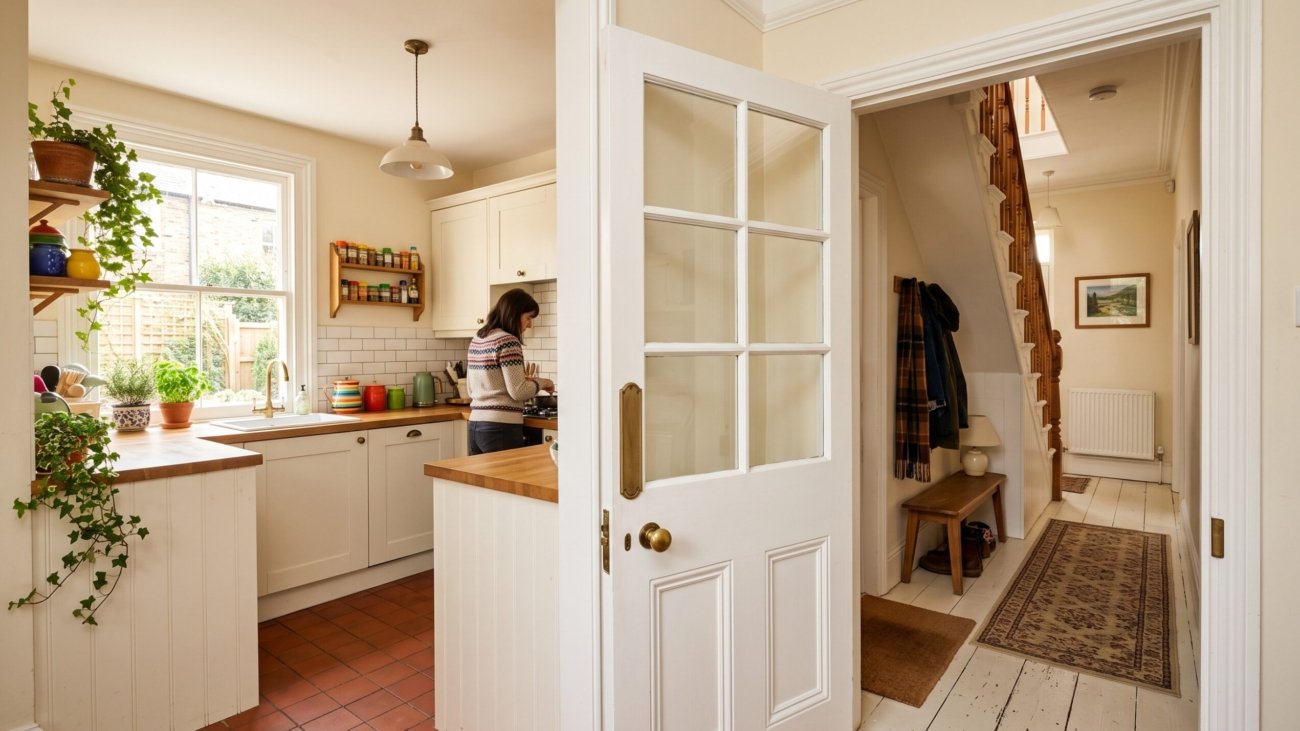
Half-glazed white internal door glass between kitchen and hallway

Internal Glass Doors: How to Bring More Light Into Your Home Without Losing Privacy

Internal Glass Doors: How to Bring More Light Into Your Home Without Losing Privacy

Dark hallways and gloomy internal rooms are one of the most common frustrations we hear about from homeowners, especially in older British houses where internal walls and solid doors were never designed with natural light in mind. Internal doors glass options offer a simple fix, and the good news is you do not need to knock down a wall or install a skylight to see the difference.

This guide explains how internal glass doors work, what they cost in 2026, and how to get the light-boosting benefits without turning your home into a fishbowl.

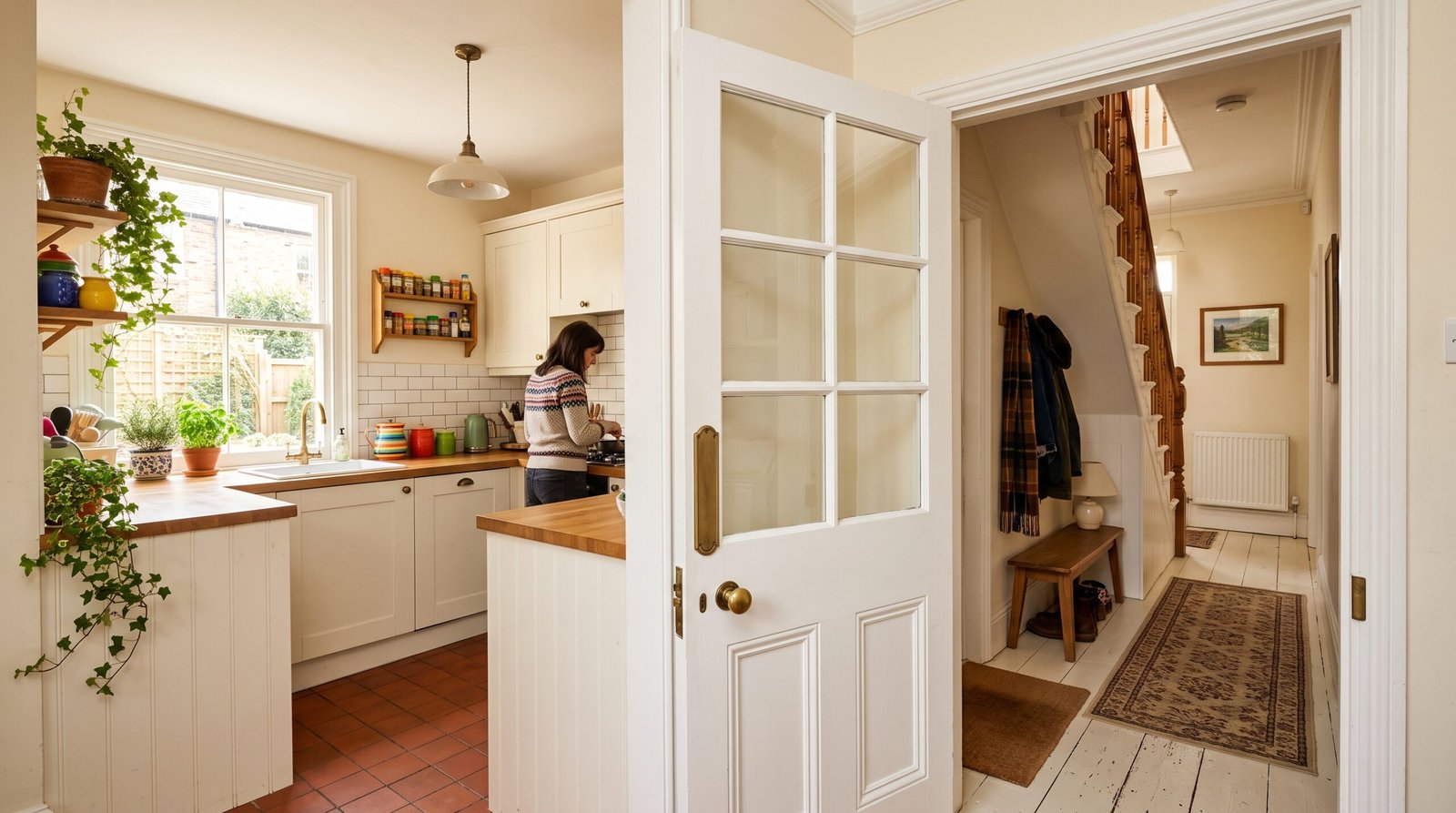
Half-glazed white internal glass doors between kitchen and hallway

Why Homeowners Are Switching to Internal Glass Doors

Swapping a solid internal door for a glazed one is one of the most cost-effective ways to brighten a hallway, kitchen, or home office. Instead of light stopping dead at a solid panel, it passes through into the next room, making both spaces feel bigger and less enclosed. This is particularly useful in Victorian and Edwardian terraces, where narrow hallways often rely entirely on light from the front door.

They also help create a sense of flow between rooms while still keeping them structurally separate, which matters if you like the idea of an open-plan feel but are not ready for (or cannot afford) knocking through a wall.

Doors With Glass Without Sacrificing Privacy

The word “glass door” makes some homeowners worry about privacy, but the glazing options available now solve this comfortably. Clear glass maximises light and suits hallways, living rooms, and kitchens where privacy is not a priority. Frosted, patterned, or reeded glass diffuses the view while still letting light through, which works well for bathrooms, home offices, or a downstairs cloakroom. Half-glazed designs are a popular middle ground, giving you a generous glass panel up top with a solid lower section for a bit of visual privacy at eye level.

Internal Glass Door Cost Guide for 2026

OptionTypical 2026 UK cost
Re-glazing an existing internal door frame£150 – £300
New pre-glazed internal door, supplied and fitted£600 – £1,450
Frosted or fire-rated glazed internal door (FD30)£250 – £600 per door, supply only
Full glazed internal double doors£800 – £1,600, supplied and fitted

Fire safety is worth flagging here: if you are fitting a glazed internal door upstairs in a three-storey property, or anywhere near a loft conversion, building regulations generally require an FD30 fire-rated door, which is designed to resist fire, flames, and smoke for around thirty minutes. A reputable supplier will be able to confirm which of their doors meet this standard.

A Real-World Example: A Dark Hallway Transformed

Take a couple who bought their first home, a 1900s terrace in the Wolverhampton area, with a long, narrow hallway that stayed dim even at midday. Rather than remodelling, they replaced the solid door between the hallway and the kitchen with a half-glazed internal door in white, using frosted glass in the lower panel and clear glass above. The change was noticeable within days, natural light from the kitchen’s larger window now reaches into the hallway, and visitors regularly comment on how much brighter the whole ground floor feels. The total cost for the door, supplied and fitted, came in under £700.

Tips for Choosing the Right Internal Glass Door

  • Decide room by room whether you want clear glass (maximum light) or frosted glass (privacy with light).
  • Check whether your property needs an FD30 fire door for the location you are fitting it, particularly on stairways or near lofts.
  • Choose toughened safety glass as standard, this is now the norm on quality internal glazed doors and reduces injury risk if the glass is ever broken.
  • Match the door style to your existing woodwork and skirting where possible for a seamless look.
  • Get a professional to check the frame is square before fitting, an ill-fitting frame is the most common cause of draughts and sticking doors later on.

Where Internal Glass Doors Work Best

Not every room needs a glazed door, and part of getting this right is being selective. Hallways, kitchens, and living rooms tend to benefit the most, since they are usually the darkest spaces in a home and the ones where you have the least need for privacy from other family members. Bedrooms and bathrooms are generally better suited to solid or heavily frosted doors, unless you are specifically designing an ensuite with privacy glazing in mind.

Consider the direction your home faces too. A north-facing hallway with little natural light of its own will benefit enormously from borrowing light through a glazed door from a brighter, south-facing kitchen. In homes where every room already gets plenty of daylight, the improvement will be more subtle, more about the feeling of openness than a dramatic change in brightness.

Frequently Asked Questions

How much does it cost to install internal glass doors in the UK?

A new pre-glazed internal door, supplied and fitted, typically costs between £600 and £1,450 in 2026, while simply re-glazing an existing door frame can cost as little as £150 to £300.

Do internal glass doors reduce privacy?

Not if you choose frosted, patterned, or half-glazed designs, these let light through while obscuring a clear view, so you get the brightness benefit without feeling exposed.

Are internal glass doors safe for family homes?

Yes, provided they use toughened safety glass, which is standard on quality internal glazed doors and designed to minimise injury risk if broken.

Final Thoughts

Internal doors glass options are one of the simplest, most affordable upgrades for brightening a British home, and with the right glazing choice you never need to trade away your privacy to get it. Whether it is one door in a dark hallway or a full run of glazed doors through an open-plan ground floor, it is a change that pays off every single day.

Design Glaze has helped homeowners across Wolverhampton and the surrounding towns choose and fit the right doors with glass for over five years. Get in touch for a no-obligation assessment and a straightforward quote.
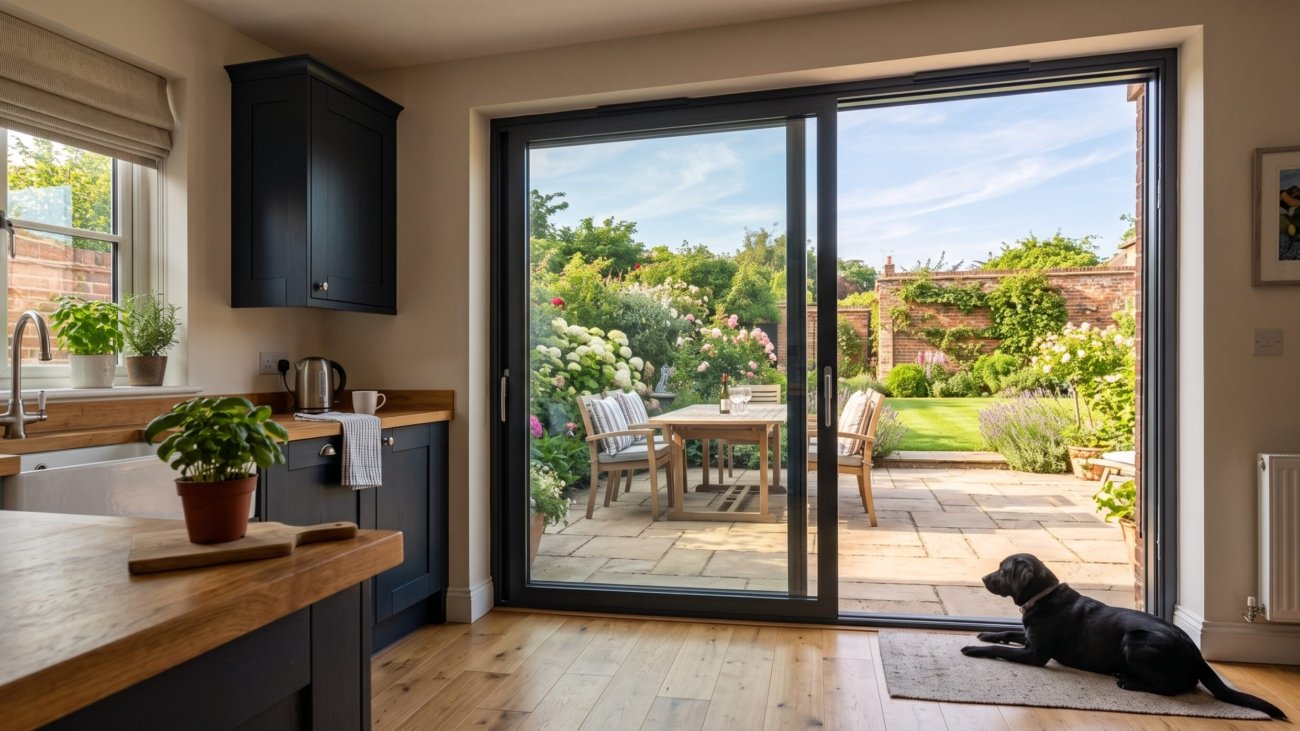
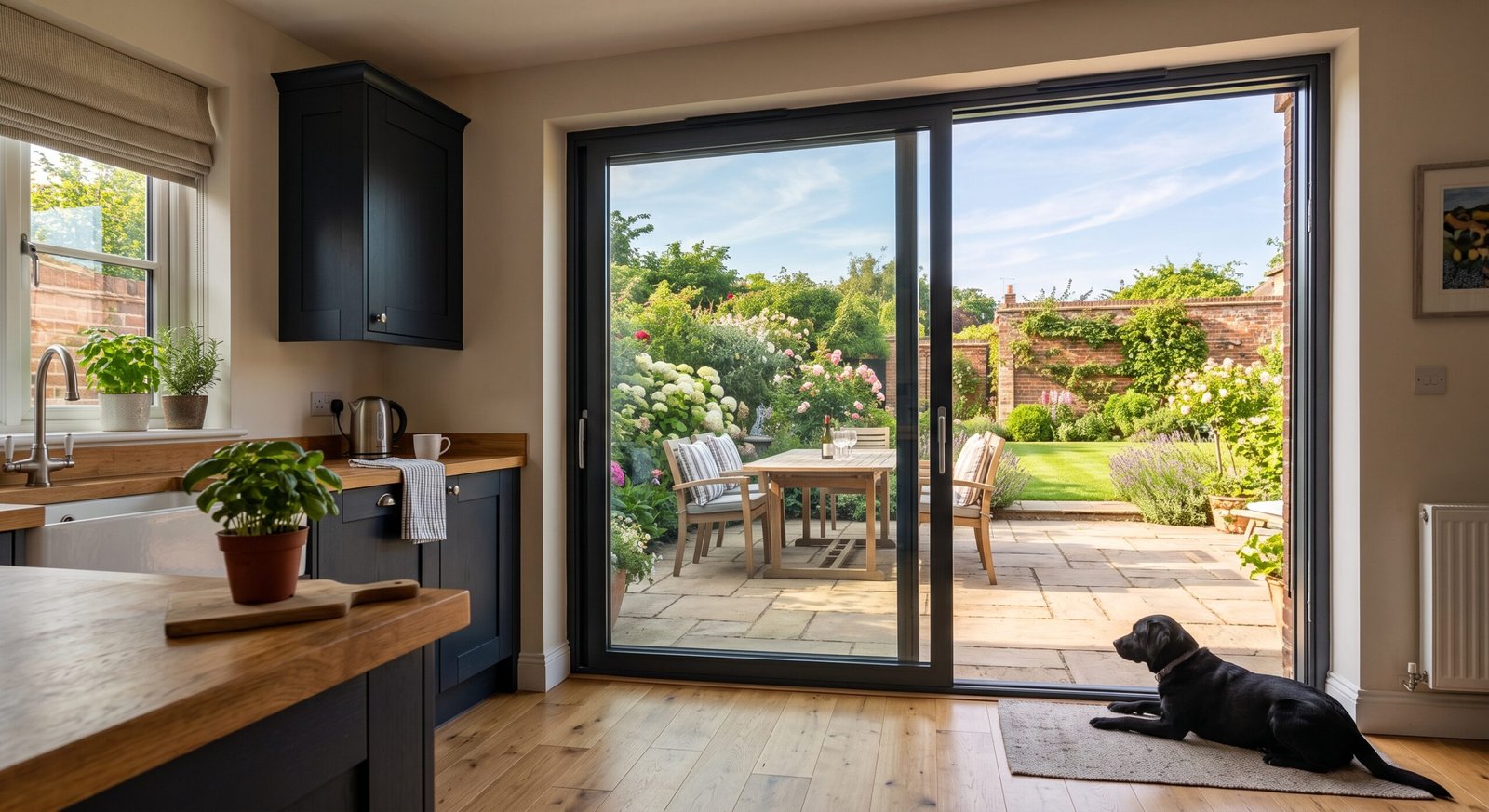
Sliding Glass Doors - Anthracite grey aluminium sliding glass door opening onto a garden patio

Sliding Glass Doors for Your Home: Pros, Cons, and Design Ideas

Sliding Glass Doors for Your Home: Pros, Cons, and Design Ideas

There is a reason sliding glass doors keep showing up on every homeowner’s wish list. They flood a dim kitchen-diner with light, blur the line between your living room and garden, and make even a modest UK semi feel bigger. But they are also a serious investment, so before you get quotes it helps to understand exactly what you are choosing between and what it is realistically going to cost.

This guide covers the genuine pros and cons of sliding glass doors, current 2026 UK pricing, and a few design ideas that work particularly well in typical British homes.

Anthracite grey aluminium sliding glass door opening onto a garden patio

Why Homeowners Choose Sliding Glass Doors

The appeal is mostly about light and space. A wide expanse of glass lets far more daylight into a room than a standard door, which matters in a country where grey skies are the norm for much of the year. Sliding doors also make a strong visual connection between an indoor living space and a garden or patio, which is especially popular for kitchen extensions and open-plan conversions.

Because the panels slide rather than swing, they do not eat into your floor space the way French or hinged doors do. That makes them a smart choice for smaller gardens or patios where you need every inch of usable outdoor seating area.

The Trade-Offs to Weigh Up

Sliding glass doors are not without their downsides. Only part of the opening is usable at any one time, since one panel always sits behind the other rather than opening the full width like a bifold. Tracks need occasional cleaning to keep them running smoothly, and on older or budget systems the rollers can wear over time. They also tend to cost more than a standard hinged patio door of the same size, particularly in aluminium.

Sliding Glass Doors vs Other Patio Door Styles

Door styleBest forTypical 2026 UK cost (installed)
uPVC sliding glass doorsBudget-friendly wide openings, low maintenance£850 – £1,200
Aluminium sliding glass doorsSlimmer frames, larger glass area, modern look£1,200 – £3,000+
French doorsTraditional homes, full-width opening£630 – £2,500
Bi-fold doorsMaximum opening width, indoor-outdoor living£3,000 – £8,500

As a general rule, a straightforward uPVC sliding glass door replacement sits at the more affordable end, while premium aluminium systems with slim sightlines and triple glazing push costs towards £3,000 and beyond for larger openings. Prices tend to run higher in London and the South East than in the Midlands, purely due to local labour rates.

Design Ideas That Work Well in UK Homes

For a typical three-bed semi, a two-panel uPVC sliding door in anthracite grey or white gives a clean, contemporary look without the premium price tag of aluminium. If your budget stretches further, slim-framed aluminium sliders maximise the glass area and suit both period conversions and modern extensions equally well.

Homeowners doing a kitchen-diner extension often choose a wider three or four-panel configuration to create a genuine wall-of-glass effect, especially where the garden faces south or west and can make the most of afternoon light. For smaller gardens, a two-panel door in a soft grey or black frame tends to feel less overwhelming than an all-white finish.

A Real-World Example: Opening Up a Dark Kitchen

Consider a couple in a 1930s semi in the Wolverhampton area whose kitchen backed onto a narrow garden and had only a small window for natural light. They replaced an old, single-glazed hinged back door with a two-panel uPVC sliding glass door in anthracite grey. The kitchen, previously reliant on the ceiling light even at midday, now stays bright well into the evening during summer. They also mentioned that the wider opening made moving furniture in and out for a garden party far easier than their old door ever allowed.

Tips Before You Order Sliding Glass Doors

  • Check the U-value if energy efficiency matters to you, double glazing typically achieves 1.2 to 1.6 W/m²K, with triple glazing performing better still.
  • Ask whether the tracks and rollers are steel or nylon, steel generally lasts longer under daily use.
  • Confirm the glass is toughened or laminated, and ask about PAS 24 security ratings if the door faces a garden or side access.
  • Check whether planning permission applies, this is rarely needed for a like-for-like replacement but can apply if you are widening the opening or live in a conservation area.
  • Always use a FENSA or CERTASS registered installer so you receive a compliance certificate.

Frequently Asked Questions

How much do sliding glass doors cost in the UK?

A standard uPVC sliding glass door typically costs £850 to £1,200 fully installed, while premium aluminium systems with larger openings can range from £1,200 to £3,000 or more depending on size and specification.

Are sliding glass doors more energy efficient than French doors?

Both can achieve similar U-values when double or triple glazed with a good seal, so energy efficiency comes down more to glazing specification than door style.

Do sliding glass doors need planning permission?

A like-for-like replacement rarely needs planning permission under permitted development, but widening the opening, listed buildings, or conservation areas can change this, so it is worth checking before work begins.

Final Thoughts

Sliding glass doors are one of the most effective ways to bring light and a sense of space into a British home, whether you are opening up a kitchen-diner or simply refreshing a tired patio door. The right choice comes down to your budget, the size of your opening, and how much of that opening you actually want to open at once.

Design Glaze has over five years of experience supplying and fitting sliding glass doors for homeowners across Wolverhampton and its neighbouring cities. Get in touch for a no-obligation site assessment and a clear quote for your project.